


Cable Crunch 101 Video Tutorial
0

Exercise Synopsis
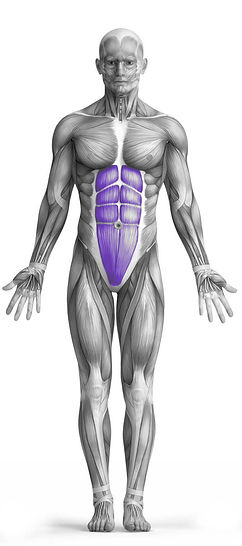
Target Muscle Group
Abs
Secondary Targets
None
Execution
Isolation
Force Type
Pull
Required Equipment
Cable Machine
Fitness Level
Beginner
Variations
None
Alternatives
None
Timer
Hour
Minute
Second
Stopwatch
00:00:00:00
Overview
The cable crunch is a highly effective abdominal exercise performed using a cable machine, targeting the rectus abdominis (the "six-pack" muscles) as the primary muscle group. It involves kneeling in front of a cable machine, holding the rope attachment behind the neck or near the shoulders, and performing a controlled crunching motion by contracting the abs and bringing the chest toward the knees. The constant tension provided by the cable ensures consistent resistance throughout the movement, enhancing muscle activation and development. This exercise requires proper form to maximize results and minimize strain on the neck or lower back, making it ideal for individuals seeking to strengthen and define their core.
How to Perform
Attach a rope handle to the top pulley of a cable machine and adjust the weight to a manageable level.
Position yourself on your knees directly in front of the machine, gripping the rope with both hands. Hold the rope close to your head, near your ears or slightly above.
Keep your hips steady and your knees slightly bent to provide stability throughout the exercise. This is your starting position.
Engage your abdominal muscles by tightening your core, then bend your torso forward in a controlled crunching motion, bringing your chest closer to your knees.
Focus on keeping your elbows in a fixed position and using your abs to pull the rope down, avoiding excessive movement from your arms or shoulders.
Once you’ve fully contracted your abs, pause briefly to maximize muscle engagement.
Gradually release the tension in your core as you return to the starting position, ensuring a slow and controlled movement to maintain form and prevent injury.
Repeat the motion for the desired number of repetitions, ensuring your focus remains on proper technique and steady breathing throughout the set.
★ Bonus: For exercises that involve external weights (such as dumbbells, barbells, or machines), the One Rep Max (1RM) calculator can help you estimate your maximum lifting capacity. Use it to track your strength progress and adjust your training for optimal results.
Tips
Perform each repetition with slow, deliberate movements to ensure maximum activation of the abdominal muscles and reduce the risk of injury.
Concentrate on contracting your abs to drive the movement, rather than pulling the rope with your arms. Your arms should act only as stabilizers to guide the rope.
Maintain a neutral spine throughout the exercise, avoiding excessive arching of your back. Keep the motion centered in your upper body to protect your spine and prevent strain.
Ensure that your hips and legs remain stationary and do not contribute to the movement. The focus should be entirely on flexing your spine by engaging your core muscles.
How Not to Perform
Avoid Using Momentum: Do not swing or jerk your body to pull the rope down. Perform the movement in a controlled manner to ensure the focus stays on your abdominal muscles.
Don’t Pull with Your Arms: Avoid relying on your arms to pull the rope. Your arms should remain stable and act only as a guide, with your abs driving the movement.
Do Not Overload the Weight: Using a weight that is too heavy can force you to compensate with your back, arms, or hips, reducing effectiveness and increasing the risk of injury.
Keep Your Back Neutral: Do not excessively arch or round your back during the exercise. This can strain your spine and shift focus away from your abs.
Avoid Moving Your Hips: Do not let your hips shift forward or backward during the movement. Keeping them stationary ensures proper isolation of the abdominal muscles.
Don’t Rush the Movement: Performing the exercise too quickly reduces muscle engagement and increases the risk of losing control. Focus on a slow, steady pace.
Don’t Hold Your Breath: Holding your breath can cause unnecessary tension and fatigue. Instead, exhale as you crunch forward and inhale as you return to the starting position.
Avoid Leaning Too Far Forward: Leaning excessively forward can put undue stress on your lower back. Focus on flexing your spine rather than bending at the hips.
Don’t Neglect Warm-Up: Skipping a proper warm-up can make your muscles more prone to strain. Always prepare your core with light dynamic stretches or a warm-up set before starting.
Ensure Proper Rope Placement: Holding the rope too high or too low can alter the mechanics of the exercise. Keep the rope positioned near your ears or slightly above your head for optimal form.
Variations
Variations of fitness exercises refer to different ways of performing a specific exercise or movement to target various muscle groups, intensities, or goals. These variations aim to challenge the body differently, prevent plateaus, and cater to individuals with varying fitness levels.
Alternatives
Alternative exercises in fitness refer to different movements or activities that target similar muscle groups or serve the same training purpose as the primary exercise. These alternative exercises can be used as substitutes when the original exercise is unavailable or challenging to perform due to various reasons such as equipment limitations, injuries, or personal preferences.
