


Crab Twist Toe Touch 101 Video Tutorial
0

Exercise Synopsis
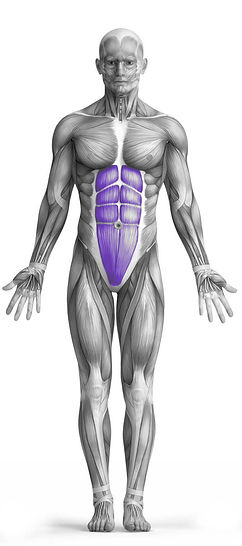
Target Muscle Group
Abs
Secondary Targets
Execution
Isolation
Force Type
Core
Required Equipment
Bodyweight
Fitness Level
Intermediate
Variations
None
Alternatives
Timer
Hour
Minute
Second
Stopwatch
00:00:00:00
Overview
Crab Twist Toe Touch is a bodyweight exercise that primarily targets the abs while also engaging the hip abductors, glutes, and obliques. Starting in a crab position with hands and feet on the ground, you lift your hips to form a bridge, then twist your torso to reach one arm toward the opposite foot. This movement challenges core stability, promotes rotational strength, and activates the posterior chain muscles. Alternating sides for repetitions enhances muscular coordination, balance, and overall core control.
How to Perform
Position yourself on the floor with your hands and feet supporting your body, facing upward in a crab stance.
Push your hips upward to create a lifted bridge, keeping your core engaged.
Rotate your torso and extend one arm toward the opposite foot, maintaining control throughout the movement.
Switch sides, repeating the twisting reach for the chosen number of reps.
Gently lower your hips back toward the floor after each twist, ensuring steady movement and core stability.
★ Bonus: For exercises that involve external weights (such as dumbbells, barbells, or machines), the One Rep Max (1RM) calculator can help you estimate your maximum lifting capacity. Use it to track your strength progress and adjust your training for optimal results.
Tips
Maintain tension in your abdominal muscles for the entire exercise.
Perform each motion slowly and deliberately to enhance efficiency.
Focus on proper alignment and technique to reduce the risk of strain or injury.
How Not to Perform
Don’t let your hips sag toward the floor during the movement.
Don’t swing your arms or legs; avoid using momentum to reach the foot.
Don’t twist your lower back excessively; keep rotation controlled through the torso.
Don’t lock your elbows or knees; maintain a soft bend to protect joints.
Don’t rush through repetitions; perform each twist slowly and deliberately.
Don’t lift your shoulders off the ground excessively; keep your upper body stable.
Don’t hold your breath; maintain steady breathing throughout the exercise.
Don’t neglect core engagement; failing to brace abs reduces effectiveness.
Variations
Variations of fitness exercises refer to different ways of performing a specific exercise or movement to target various muscle groups, intensities, or goals. These variations aim to challenge the body differently, prevent plateaus, and cater to individuals with varying fitness levels.
Alternatives
Alternative exercises in fitness refer to different movements or activities that target similar muscle groups or serve the same training purpose as the primary exercise. These alternative exercises can be used as substitutes when the original exercise is unavailable or challenging to perform due to various reasons such as equipment limitations, injuries, or personal preferences.
