


Half Kneeling Pallof Press 101 Video Tutorial
0
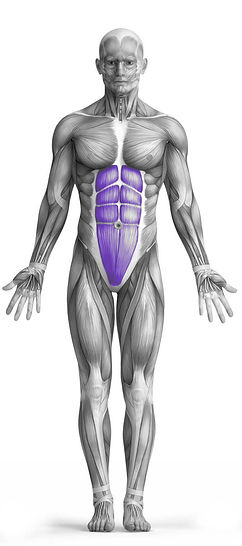

Exercise Synopsis
Target Muscle Group
Abs
Secondary Targets
None
Execution
Compound
Force Type
Isometric
Required Equipment
Cable Machine
Fitness Level
Beginner
Variations
None
Alternatives
None
Timer
Hour
Minute
Second
Stopwatch
00:00:00:00
Overview
The Half Kneeling Pallof Press is an effective core-strengthening exercise primarily targeting the abdominal muscles. Performed using a cable machine, it involves kneeling on one knee while holding a cable handle at chest height, then pressing it straight out in front of the body. This movement challenges the core's ability to resist rotational forces, helping to improve stability and strength. It’s particularly beneficial for developing anti-rotation strength, which is crucial for everyday activities and athletic performance. The exercise isolates the abs without involving secondary muscle groups, making it a focused core workout.
How to Perform
Begin by positioning yourself in a half kneeling stance, with one knee on the ground and the other foot flat on the floor. Ensure that your torso remains upright and stable.
Attach a handle to a cable machine at chest height, and grasp the handle with both hands, holding it close to your chest.
Maintain a hip-width distance between your knees, ensuring one leg is in a flexed position while the other is extended, with the hips in a neutral alignment.
Engage your core, then press the handle forward, extending your arms fully in front of you while exhaling. Focus on keeping your body stable and preventing any twisting or leaning.
Slowly bring the handle back to the starting position, maintaining control over the movement. Repeat the motion for the desired number of repetitions.
Switch sides after completing the set on one side, and perform the exercise with the other leg in the kneeling position.
★ Bonus: For exercises that involve external weights (such as dumbbells, barbells, or machines), the One Rep Max (1RM) calculator can help you estimate your maximum lifting capacity. Use it to track your strength progress and adjust your training for optimal results.
Tips
As you extend the handle, focus on keeping your hips stable and avoid any rotation. Engaging your core will help maintain control and prevent twisting.
Remember to exhale as you press the handle forward. This breath should assist in activating your abdominal muscles, increasing the overall effectiveness of the exercise.
If you struggle to maintain a neutral spine while performing the exercise, consider starting with a lying version of the movement. Once you feel confident in your ability to control your lower back and pelvis, gradually progress to the half kneeling or tall kneeling variations.
Be mindful not to hold your breath during the exercise. Breathing should not be used to make up for a lack of stability. Aim to maintain a strong, controlled position throughout the movement without relying on breath retention.
How Not to Perform
Avoid Rotating Your Hips: Do not let your hips twist or shift as you press the handle forward. Keep your torso and pelvis stable throughout the movement to prevent unnecessary strain on the lower back and to focus the effort on the core muscles.
Don’t Arch Your Lower Back: Keep your spine in a neutral position. Avoid excessive arching of the lower back, as this can place undue stress on your lumbar spine. Engage your core to maintain stability and protect your lower back.
Avoid Holding Your Breath: Do not hold your breath while pressing the handle. This can lead to unnecessary tension in the body and limit your ability to control the movement. Focus on exhaling as you extend your arms to engage your abs and breathe continuously throughout the exercise.
Don’t Rush the Movement: Perform the exercise with controlled, deliberate movements. Avoid jerking or using momentum to push the handle forward. Quick, uncontrolled motions reduce the effectiveness of the exercise and increase the risk of injury.
Don’t Overextend Your Arms: Avoid fully locking your elbows or overextending your arms during the press. Keep your arms slightly bent at full extension to maintain tension in the core and avoid unnecessary strain on the shoulders.
Avoid Swaying Your Upper Body: Don’t lean or sway your upper body forward or backward as you press the handle. Keep your torso upright and engage your core to maintain balance and prevent energy from being wasted on stabilizing your body.
Don’t Let Your Knees Collapse Inward: Keep your knees aligned with your hips and toes. Avoid letting your kneeling leg's knee collapse inward, as this can cause misalignment and reduce the effectiveness of the exercise. Keep the hips and knees in proper alignment to maximize core activation.
Don’t Neglect the Opposite Side: When switching sides, ensure you maintain proper form on both sides of the body. Don’t rush the transition; focus on engaging the core fully and avoiding compensation by leaning or twisting.
Variations
Variations of fitness exercises refer to different ways of performing a specific exercise or movement to target various muscle groups, intensities, or goals. These variations aim to challenge the body differently, prevent plateaus, and cater to individuals with varying fitness levels.
Alternatives
Alternative exercises in fitness refer to different movements or activities that target similar muscle groups or serve the same training purpose as the primary exercise. These alternative exercises can be used as substitutes when the original exercise is unavailable or challenging to perform due to various reasons such as equipment limitations, injuries, or personal preferences.
