


Half Kneeling Push-Pull 101 Video Tutorial
0
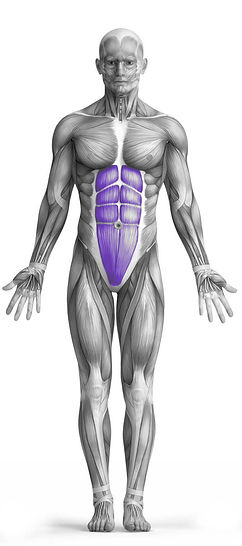

Exercise Synopsis
Target Muscle Group
Abs
Secondary Targets
None
Execution
Compound
Force Type
Isometric
Required Equipment
Cable Machine
Fitness Level
Intermediate
Variations
None
Alternatives
None
Timer
Hour
Minute
Second
Stopwatch
00:00:00:00
Overview
The "Half Kneeling Push-Pull" is an effective core exercise that primarily targets the abs. Performed with a cable machine, this movement involves kneeling on one knee while holding the cable handle with both hands. The exercise requires a push-pull motion, where the individual extends and pulls the cable across their body while maintaining a stable torso and engaged core. This dynamic movement helps improve core strength, stability, and rotational control, making it ideal for strengthening the abs without involving secondary muscle groups.
How to Perform
Set up a cable machine by attaching a handle to each side of the cable stack at chest level.
Get into a half-kneeling stance, ensuring your knee is aligned directly under your hip and your torso is upright with a neutral spine and your ribs drawn down.
Grab the handles, with one arm extended forward and the other bent near your chest, preparing to push and pull.
Exhale as you push one handle straight out in front of you while simultaneously pulling the other handle toward your body, maintaining stability and preventing any hip rotation.
Slowly reverse the movement, returning the handles to the starting position with control.
Complete the set by switching sides, repeating the exercise in the opposite direction to work both sides of your core.
★ Bonus: For exercises that involve external weights (such as dumbbells, barbells, or machines), the One Rep Max (1RM) calculator can help you estimate your maximum lifting capacity. Use it to track your strength progress and adjust your training for optimal results.
Tips
This variation differs from standard landmine rotations in that the movement is more controlled and involves a smaller range of motion.
Focus on minimizing movement in your hips and pelvis, keeping them as still as possible throughout the exercise.
If you experience difficulty controlling rotation in your pelvis or lower back, try widening your stance or slowing down the pace of the movement to maintain stability.
The majority of the motion should come from your shoulders, while resisting any unnecessary movement in the spine.
Maintain a slight bend in your knees while pressing and rowing to reduce stress on your lower back.
Avoid holding your breath during the exercise; instead, use your breathing to enhance core engagement and abdominal activation.
How Not to Perform
Avoid Arching Your Back: Do not allow your lower back to arch excessively during the movement. This can lead to unnecessary strain on the lumbar spine and reduce the effectiveness of the exercise. Keep your spine neutral and engaged.
Do Not Over-rotate Your Hips: Ensure that your hips remain stable throughout the exercise. Over-rotating your pelvis can take the focus away from your abs and lead to improper movement patterns. Keep the pelvis stationary and resist any unwanted hip rotation.
Avoid Jerky Movements: Do not rush through the exercise or use momentum to complete the push-pull motion. Jerky or fast movements waste energy and can increase the risk of injury. Focus on smooth, controlled movements to maintain tension on the core.
Do Not Lock Your Knees: While performing the exercise, avoid locking your knees. Keeping a slight bend in your knees will help maintain balance and reduce pressure on your lower back.
Do Not Hold Your Breath: Avoid holding your breath during the exercise. Not breathing properly can reduce core engagement and make the movement harder to control. Use exhalation to power through the push and inhale as you return to the starting position.
Do Not Let the Shoulders Collapse: Keep your shoulders engaged and avoid letting them slump or round forward. Proper shoulder engagement ensures the correct activation of your core and prevents unnecessary strain on the shoulders.
Do Not Allow Excessive Movement in the Spine: Focus on keeping your torso stable and avoid excessive twisting or flexion in the spine. The goal is to isolate the movement to your arms and core while minimizing any motion in the spine.
Variations
Variations of fitness exercises refer to different ways of performing a specific exercise or movement to target various muscle groups, intensities, or goals. These variations aim to challenge the body differently, prevent plateaus, and cater to individuals with varying fitness levels.
Alternatives
Alternative exercises in fitness refer to different movements or activities that target similar muscle groups or serve the same training purpose as the primary exercise. These alternative exercises can be used as substitutes when the original exercise is unavailable or challenging to perform due to various reasons such as equipment limitations, injuries, or personal preferences.
