


Hang From Bar 101 Video Tutorial
0

Exercise Synopsis
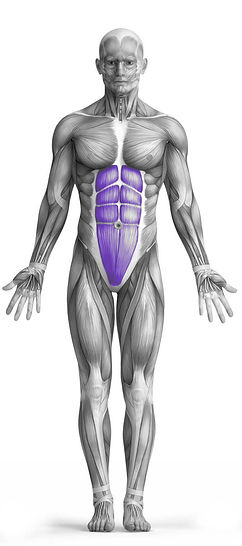
Target Muscle Group
Abs
Secondary Targets
Execution
Isolation
Force Type
Isometric
Required Equipment
Bodyweight
Fitness Level
Intermediate
Variations
Alternatives
None
Timer
Hour
Minute
Second
Stopwatch
00:00:00:00
Overview
The dead hang is a bodyweight exercise performed by gripping an overhead bar with straight arms and hanging freely, engaging the abs as the primary muscle group while also activating the obliques as secondary targets. It requires no additional equipment beyond a secure bar and can be adapted in duration to suit beginners or advanced practitioners. This exercise helps improve core stability, grip strength, and shoulder endurance, while maintaining proper posture and controlled breathing throughout the hang.
How to Perform
Ensure the overhead bar is firmly secured and stable before starting.
Use a step, bench, or sturdy platform to reach the bar without jumping.
Grab the bar with an overhand grip, palms facing away, keeping your hands about shoulder-width apart.
Lift your feet off the support so your body is fully suspended, maintaining straight arms.
Keep your body relaxed and avoid bending your elbows or tensing your shoulders.
Beginners should start with short hangs of around 10 seconds, gradually increasing duration up to 45–60 seconds.
Maintain controlled breathing and focus on engaging the core and obliques during the hang.
When finishing, carefully place your feet back onto the support before letting go of the bar.
Perform up to three repetitions per session, adjusting based on comfort and strength.
Consider slight variations, such as alternating grips or gently activating the lats, to enhance overall upper-body engagement.
★ Bonus: For exercises that involve external weights (such as dumbbells, barbells, or machines), the One Rep Max (1RM) calculator can help you estimate your maximum lifting capacity. Use it to track your strength progress and adjust your training for optimal results.
Tips
Focus on engaging your abs and obliques throughout the hang.
Keep your shoulders relaxed and away from your ears.
Avoid bending your arms to maintain proper form.
Breathe steadily to prevent unnecessary tension.
Gradually increase hang time to build endurance safely.
Use a shoulder-width grip to evenly distribute weight.
Do not swing your body; maintain a stable position.
Step down carefully to avoid strain on shoulders and wrists.
Listen to your body and stop if you feel sharp pain.
Consider alternating grip styles over time for variety and balance.
How Not to Perform
Don’t bend your arms or pull yourself up; it shifts focus away from the abs and obliques.
Don’t let your shoulders creep up toward your ears; it strains the neck and traps.
Don’t swing or twist your body during the hang; it reduces core engagement.
Don’t grip the bar too wide or too narrow; it can cause discomfort and uneven muscle activation.
Don’t hold your breath; it increases tension and reduces endurance.
Don’t rush the duration; hanging too long too soon can cause shoulder or wrist injury.
Don’t jump off the step or bench; it risks sudden strain on joints and muscles.
Don’t neglect core activation; a relaxed midsection limits effectiveness on abs and obliques.
Don’t hang with a bent spine or slouched posture; it compromises alignment and safety.
Don’t ignore discomfort or pain; pushing through can lead to injury.
Variations
Variations of fitness exercises refer to different ways of performing a specific exercise or movement to target various muscle groups, intensities, or goals. These variations aim to challenge the body differently, prevent plateaus, and cater to individuals with varying fitness levels.
Alternatives
Alternative exercises in fitness refer to different movements or activities that target similar muscle groups or serve the same training purpose as the primary exercise. These alternative exercises can be used as substitutes when the original exercise is unavailable or challenging to perform due to various reasons such as equipment limitations, injuries, or personal preferences.
