


Hill Climber 101 Video Tutorial
0

Timer
Hour
Minute
Second
Stopwatch
00:00:00:00
Overview
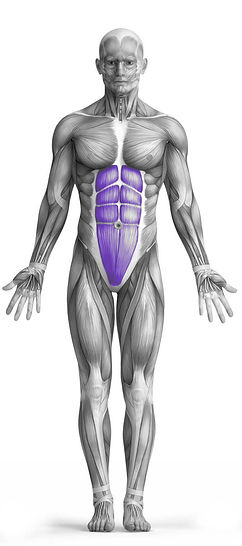
Hill Climber is a dynamic bodyweight exercise that primarily targets the abs while also engaging the glutes as a secondary muscle group. It involves a plank-like position where you alternately drive your knees toward your chest in a controlled, rhythmic manner, combining core stabilization with lower-body movement. This exercise improves core strength, endurance, and coordination while providing a cardiovascular challenge, making it effective for building abdominal definition and overall functional fitness.
How to Perform
Start in a high plank position with your hands directly under your shoulders, arms straight, and your body forming a straight line from head to heels.
Engage your core by pulling your belly button toward your spine and squeezing your glutes to maintain stability.
Lift your right knee toward your chest in a controlled motion without letting your hips sag or your lower back arch.
Quickly return your right leg to the starting plank position while simultaneously driving your left knee toward your chest.
Continue alternating knees in a steady, rhythmic motion, keeping your core tight and your shoulders stacked over your wrists.
Maintain a consistent breathing pattern, exhaling as you drive your knee forward and inhaling as you return it to the plank position.
Keep your movements controlled and deliberate, avoiding bouncing your hips or losing alignment in your plank.
Perform for the desired number of repetitions or time while focusing on activating your abs and glutes throughout the exercise.
★ Bonus: For exercises that involve external weights (such as dumbbells, barbells, or machines), the One Rep Max (1RM) calculator can help you estimate your maximum lifting capacity. Use it to track your strength progress and adjust your training for optimal results.
Tips
Keep your core engaged throughout the movement to protect your lower back.
Maintain a straight line from head to heels to prevent hip sagging or raising your butt too high.
Drive your knees toward your chest in a controlled manner, avoiding jerky movements.
Breathe steadily, exhaling as you bring your knee forward and inhaling as you return it.
Focus on engaging your glutes with each knee drive for added lower-body activation.
Avoid letting your shoulders collapse; keep them stacked over your wrists.
Perform the exercise at a steady pace rather than rushing for better form and effectiveness.
Keep your hands firmly planted on the ground to ensure stability.
Use a flat surface to prevent slipping and maintain balance.
Stop if you feel strain in your lower back instead of your abs to prevent injury.
How Not to Perform
Do not let your hips sag toward the floor, as this shifts stress to the lower back.
Do not raise your buttocks too high, which reduces core engagement and effectiveness.
Do not lock your elbows or collapse your shoulders; this can strain the shoulders.
Do not rush the movement, as uncontrolled speed reduces muscle activation and increases injury risk.
Do not allow your core to relax; failing to engage abs diminishes the primary focus of the exercise.
Do not bounce your legs off the ground; keep movements controlled for proper form.
Do not twist your torso excessively, which can strain the spine and reduce ab activation.
Do not hold your breath; improper breathing can decrease performance and stability.
Do not perform on an unstable or slippery surface, which increases risk of falling or injury.
Do not overextend your knees past your chest forcefully, which can strain hip flexors and lower back.
Variations
Variations of fitness exercises refer to different ways of performing a specific exercise or movement to target various muscle groups, intensities, or goals. These variations aim to challenge the body differently, prevent plateaus, and cater to individuals with varying fitness levels.
Alternatives
Alternative exercises in fitness refer to different movements or activities that target similar muscle groups or serve the same training purpose as the primary exercise. These alternative exercises can be used as substitutes when the original exercise is unavailable or challenging to perform due to various reasons such as equipment limitations, injuries, or personal preferences.
