


Jumping Jack 101 Video Tutorial
0
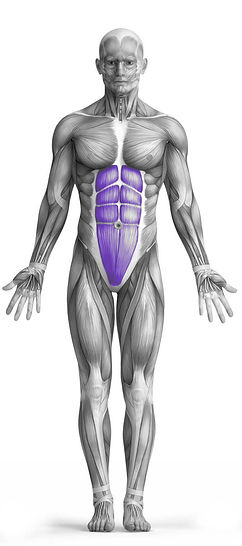

Exercise Synopsis
Target Muscle Group
Abs
Secondary Targets
Execution
Compound
Force Type
Jump (Bilateral)
Required Equipment
Bodyweight
Fitness Level
Intermediate
Variations
None
Alternatives
None
Timer
Hour
Minute
Second
Stopwatch
00:00:00:00
Overview
Jumping Jack is a full-body, bodyweight exercise that primarily targets the abs while also engaging the calves as a secondary muscle group. It involves standing with feet together and arms at the sides, then explosively jumping to spread the legs wider than shoulder-width while raising the arms overhead with straight elbows. The movement is repeated by returning to the starting position, creating a continuous, rhythmic exercise that improves cardiovascular endurance, coordination, and overall body strength.
How to Perform
Stand upright with your feet together and arms resting naturally at your sides, keeping your back straight and core engaged.
Push off the ground to jump, spreading your legs slightly beyond shoulder width while simultaneously lifting your arms overhead with elbows extended.
Land softly with knees slightly bent, returning your feet together and lowering your arms back to your sides.
Repeat this jumping motion in a smooth, controlled rhythm, maintaining steady breathing and core tension.
Continue performing as many repetitions as possible within 45 seconds, focusing on proper form and fluid movement.
Complete the set and prepare for the next circuit or rest period as planned.
★ Bonus: For exercises that involve external weights (such as dumbbells, barbells, or machines), the One Rep Max (1RM) calculator can help you estimate your maximum lifting capacity. Use it to track your strength progress and adjust your training for optimal results.
Tips
Wear comfortable, well-fitting workout attire to prevent irritation and ensure ease of movement during your session.
Choose clothing that allows full range of motion and keeps you dry and comfortable while exercising.
Avoid tight or restrictive outfits that could cause rubbing or limit your performance.
Select breathable fabrics to help regulate body temperature throughout your workout.
How Not to Perform
Do not land with stiff or locked knees, as this can strain your joints and reduce calf engagement.
Do not let your back arch or slump; keep your core tight to maintain proper abs activation.
Do not perform half jumps or shallow arm movements, which waste energy and reduce effectiveness.
Do not allow your arms to bend or flop; keep them straight to maintain rhythm and coordination.
Do not rush the movement excessively, which can compromise form and increase injury risk.
Do not let your feet drift too far apart or too close together; maintain a consistent, controlled jump width.
Do not hold your breath; maintain steady breathing to support endurance and core engagement.
Variations
Variations of fitness exercises refer to different ways of performing a specific exercise or movement to target various muscle groups, intensities, or goals. These variations aim to challenge the body differently, prevent plateaus, and cater to individuals with varying fitness levels.
Alternatives
Alternative exercises in fitness refer to different movements or activities that target similar muscle groups or serve the same training purpose as the primary exercise. These alternative exercises can be used as substitutes when the original exercise is unavailable or challenging to perform due to various reasons such as equipment limitations, injuries, or personal preferences.
