


Kettlebell Dead Bug 101 Video Tutorial
0
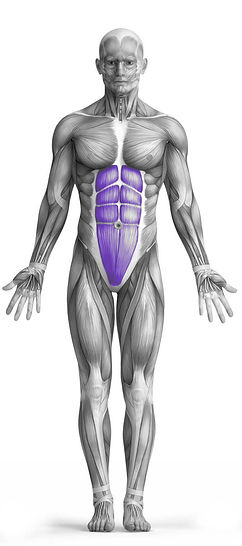

Exercise Synopsis
Target Muscle Group
Abs
Secondary Targets
None
Execution
Compound
Force Type
Isometric
Required Equipment
Kettlebell
Fitness Level
Intermediate
Variations
None
Alternatives
None
Timer
Hour
Minute
Second
Stopwatch
00:00:00:00
Overview
The Kettlebell Dead Bug is an effective core exercise that primarily targets the abdominal muscles, particularly the deep stabilizing muscles. To perform this movement, you lie on your back with a kettlebell held in both hands above your chest. As you extend one leg and the opposite arm (holding the kettlebell), you engage your core to maintain stability and control, avoiding any arching of the lower back. The movement challenges the abs to work in coordination with the upper body, providing an excellent way to strengthen the core while improving overall stability. No secondary muscle groups are primarily targeted in this exercise, making it a focused core-strengthening drill.
How to Perform
Start by lying flat on your back with your legs bent at a 90-degree angle at both the hips and knees. Hold a kettlebell with both hands directly above your chest, keeping your arms fully extended.
Slowly lower one leg, extending it straight while exhaling. Keep your core engaged and your lower back pressed into the floor to maintain stability.
Bring the leg back to the starting position while controlling the movement, then repeat the same motion with the opposite leg.
Continue alternating sides for the recommended number of repetitions, ensuring that each movement is deliberate and controlled to maximize core engagement and maintain proper form throughout.
★ Bonus: For exercises that involve external weights (such as dumbbells, barbells, or machines), the One Rep Max (1RM) calculator can help you estimate your maximum lifting capacity. Use it to track your strength progress and adjust your training for optimal results.
Tips
Avoid holding your breath during the exercise. Relying on your breath to compensate for a lack of stability will reduce the effectiveness of the movement. Focus on maintaining proper form and control without depending on your breathing.
Perform each movement deliberately and with control. The objective is not to rush through repetitions but to maintain steady, controlled motions within your available range of movement.
Remember to exhale as you extend one leg. This helps engage the core properly and supports the stabilization of your torso.
Keep your ribs pulled down throughout the exercise to prevent excessive arching in the lower back. Maintaining a neutral spine position is essential for protecting your back and maximizing core activation.
How Not to Perform
Avoid Arching Your Lower Back: Do not let your lower back lift off the floor as you extend your leg. This could lead to unnecessary strain on your spine. Keep your lower back pressed into the ground by engaging your core.
Do Not Rush the Movement: Do not perform the exercise too quickly. Moving too fast can cause you to lose control and compromise your form. Focus on slow, deliberate movements to ensure the targeted muscles are activated effectively.
Don’t Hold Your Breath: Avoid holding your breath while performing the exercise. Breathing helps maintain stability and control, and not breathing properly can lead to unnecessary tension and fatigue. Exhale as you extend your leg and inhale as you return to the starting position.
Don’t Overextend Your Legs: Avoid fully locking out your knee when extending your leg. This could put unnecessary stress on the joint. Keep a slight bend in your knee as you extend your leg to maintain proper form and reduce strain.
Do Not Flare Your Ribs: Avoid letting your ribs flare up during the exercise. This can disrupt the alignment of your torso and lower back. Keep your ribs pulled down and engaged to prevent excessive arching in your spine.
Avoid Using Momentum: Do not rely on momentum to swing your leg or kettlebell. Using momentum wastes energy and reduces the effectiveness of the exercise. Focus on slow, controlled movements to properly engage your abs and maintain stability.
Don’t Lift Your Arms Too High: Avoid overextending your arms beyond the starting position. Lifting the kettlebell too high can strain your shoulders and disrupt the balance. Keep the kettlebell directly above your chest to maintain control and focus on the abs.
Do Not Neglect Your Core Engagement: Failing to engage your core properly can result in unnecessary pressure on your lower back. Always focus on keeping your abs tight and engaged to provide the stability needed throughout the movement.
Variations
Variations of fitness exercises refer to different ways of performing a specific exercise or movement to target various muscle groups, intensities, or goals. These variations aim to challenge the body differently, prevent plateaus, and cater to individuals with varying fitness levels.
Alternatives
Alternative exercises in fitness refer to different movements or activities that target similar muscle groups or serve the same training purpose as the primary exercise. These alternative exercises can be used as substitutes when the original exercise is unavailable or challenging to perform due to various reasons such as equipment limitations, injuries, or personal preferences.
