


Lever Kneeling Twist 101 Video Tutorial
0
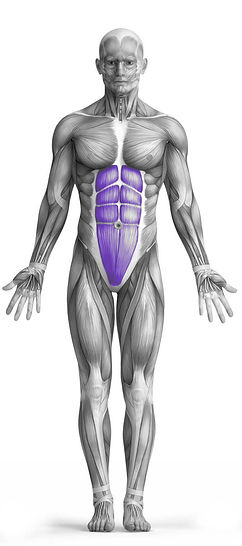

Exercise Synopsis
Target Muscle Group
Abs
Secondary Targets
Execution
Isolation
Force Type
Core
Required Equipment
Leverage Machine
Fitness Level
Intermediate
Variations
None
Alternatives
None
Timer
Hour
Minute
Second
Stopwatch
00:00:00:00
Overview
The Lever Kneeling Twist is an ab-focused exercise performed using a leverage machine that primarily targets the abs while engaging the obliques as secondary muscles. It involves kneeling in front of the machine, gripping the handle with both hands, and twisting the torso to one side while keeping the hips stable. This controlled rotational movement strengthens the core, enhances oblique activation, and improves overall torso stability, making it effective for developing both abdominal definition and rotational core strength.
How to Perform
Position yourself on your knees facing the leverage machine and firmly hold the handle with both hands.
Maintain a steady and stable hip position throughout the movement to prevent any lower body sway.
Rotate your upper body slowly to one side while breathing out, focusing on engaging the obliques and abs.
Pause briefly at the end of the twist to maximize core contraction.
Return your torso carefully to the center, ensuring controlled motion.
Repeat the twisting motion to the opposite side with the same controlled technique.
Keep your movements smooth and deliberate, avoiding jerking or using momentum, to fully target the core muscles.
★ Bonus: For exercises that involve external weights (such as dumbbells, barbells, or machines), the One Rep Max (1RM) calculator can help you estimate your maximum lifting capacity. Use it to track your strength progress and adjust your training for optimal results.
Tips
Keep your abdominal muscles actively engaged during the entire exercise.
Ensure your spine remains neutral and do not let your lower back bend excessively while twisting.
How Not to Perform
Don’t twist your torso using momentum or jerky movements.
Don’t let your hips or lower body shift; keep them stable throughout.
Don’t overarch or hyperextend your lower back during the twist.
Don’t grip the handle too tightly, which can cause unnecessary tension in the arms and shoulders.
Don’t rush the repetitions; perform each twist slowly and controlled.
Don’t hold your breath; maintain steady exhalation during the twist.
Don’t allow your shoulders to rise toward your ears; keep them relaxed.
Don’t lean forward or backward; maintain an upright kneeling posture.
Don’t twist beyond your comfortable range of motion to avoid strain.
Don’t neglect engaging your abs and obliques; focus on contracting them with each twist.
Variations
Variations of fitness exercises refer to different ways of performing a specific exercise or movement to target various muscle groups, intensities, or goals. These variations aim to challenge the body differently, prevent plateaus, and cater to individuals with varying fitness levels.
Alternatives
Alternative exercises in fitness refer to different movements or activities that target similar muscle groups or serve the same training purpose as the primary exercise. These alternative exercises can be used as substitutes when the original exercise is unavailable or challenging to perform due to various reasons such as equipment limitations, injuries, or personal preferences.
