


Lower Abdominal Hip Roll 101 Video Tutorial
0
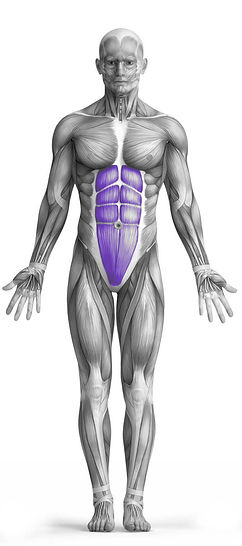

Exercise Synopsis
Target Muscle Group
Abs
Secondary Targets
None
Execution
Isolation
Force Type
N/A
Required Equipment
Bodyweight
Fitness Level
Beginner
Variations
None
Alternatives
None
Timer
Hour
Minute
Second
Stopwatch
00:00:00:00
Overview
The "Lower Abdominal Hip Roll" is an effective bodyweight exercise that primarily targets the lower abdominal muscles. It involves lying on your back with your legs extended and arms placed by your sides for stability. From this position, you engage your core and slowly lift your hips off the ground while rolling them from side to side in a controlled motion. This movement isolates the lower abs, helping to improve core strength and stability. Since it requires no equipment, it's a great addition to any workout routine focused on strengthening the abdominal area.
How to Perform
Begin by laying flat on your back on a mat, ensuring your body is fully supported. Extend your arms out to the sides, keeping them straight with palms resting on the floor for stability.
Bring your knees up so that your thighs form a 90-degree angle with the floor, while your lower legs remain parallel to the ground.
Initiate the movement by gently twisting at the hips, lowering your knees to the right in a controlled, pendulum-like motion. Keep your core engaged throughout the movement to maintain balance and stability.
Without pausing, reverse the motion and slowly guide your knees to the left side, maintaining the smooth, controlled flow of the movement.
Continue alternating the twisting motion from side to side, performing the exercise for the desired number of repetitions. Focus on using your abdominal muscles to control the movement and avoid letting momentum take over.
★ Bonus: For exercises that involve external weights (such as dumbbells, barbells, or machines), the One Rep Max (1RM) calculator can help you estimate your maximum lifting capacity. Use it to track your strength progress and adjust your training for optimal results.
Tips
Avoid using momentum to move your lower body.
Perform the movement with control, ensuring each motion is deliberate and slow.
How Not to Perform
Avoid Using Momentum: Do not swing your legs or hips back and forth. Rely on controlled, deliberate movements to ensure that the lower abs are doing the work.
Keep Your Core Engaged: Failing to activate your core can lead to unnecessary strain on your lower back. Maintain constant tension in your abdominal muscles throughout the exercise.
Don't Overextend: Avoid twisting your lower body too far to either side, as this can strain your hips and lower back. Keep the range of motion within a comfortable and controlled limit.
Prevent Arching Your Back: Keep your back flat against the mat. Arching your back can cause discomfort and reduce the effectiveness of the exercise, shifting the focus away from your abs.
Focus on Slow, Controlled Movements: Rushing through the exercise can cause you to lose form and control. Move slowly and steadily to target the abdominal muscles properly and reduce the risk of injury.
Keep Your Legs Parallel: Ensure your legs stay parallel to the floor when raised. Letting them drop too low or rising too high can reduce the activation of your lower abs.
Avoid Holding Your Breath: Breathe steadily throughout the exercise. Holding your breath can increase intra-abdominal pressure and make the movement more difficult to control.
Variations
Variations of fitness exercises refer to different ways of performing a specific exercise or movement to target various muscle groups, intensities, or goals. These variations aim to challenge the body differently, prevent plateaus, and cater to individuals with varying fitness levels.
Alternatives
Alternative exercises in fitness refer to different movements or activities that target similar muscle groups or serve the same training purpose as the primary exercise. These alternative exercises can be used as substitutes when the original exercise is unavailable or challenging to perform due to various reasons such as equipment limitations, injuries, or personal preferences.
