


Lying Alternate Heel Touches 101 Video Tutorial
0

Exercise Synopsis
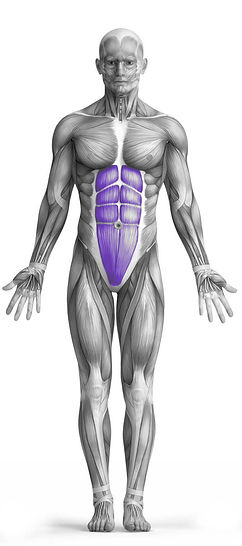
Target Muscle Group
Abs
Secondary Targets
None
Execution
Isolation
Force Type
Pull (Bilateral)
Required Equipment
Bodyweight
Fitness Level
Beginner
Variations
None
Alternatives
None
Timer
Hour
Minute
Second
Stopwatch
00:00:00:00
Overview
Lying Alternate Heel Touches is a simple yet effective bodyweight exercise that primarily targets the abdominal muscles, making it an excellent choice for core strengthening. This movement involves lying on your back with your knees bent and feet flat on the floor, then alternately reaching your hands toward your heels in a side-to-side motion. The exercise isolates the obliques and engages the entire core by requiring controlled lateral flexion of the torso. With no equipment needed, it is an accessible and efficient way to tone and strengthen your abs, suitable for beginners and advanced fitness enthusiasts alike.
How to Perform
Lie flat on your back with your knees bent, feet planted firmly on the ground, and arms extended along your sides toward your feet. Keep your head and shoulders relaxed to start.
Exhale deeply and engage your abdominal muscles as you lift your upper back slightly off the ground. Simultaneously, reach one hand toward the heel on the same side, focusing on a controlled side bend.
Inhale as you slowly lower your torso back to the starting position, maintaining tension in your core to avoid losing form.
Repeat the movement on the other side by reaching your opposite hand toward the heel on that side, ensuring smooth and deliberate motion.
Continue alternating sides for the prescribed number of repetitions, keeping your core tight and movements steady throughout the exercise.
★ Bonus: For exercises that involve external weights (such as dumbbells, barbells, or machines), the One Rep Max (1RM) calculator can help you estimate your maximum lifting capacity. Use it to track your strength progress and adjust your training for optimal results.
Tips
Breathe out forcefully, as if blowing out candles, and focus on tightening your abdominal muscles. Hold this contraction briefly to enhance your connection with the targeted muscles.
If you feel any discomfort in your lower back while performing this exercise, consider switching to movements that emphasize resisting spinal extension or rotation, which may be more suitable and supportive for your back.
How Not to Perform
Avoid Using Momentum: Do not swing your arms or torso to reach your heels. Use controlled, deliberate movements to ensure the focus remains on your abdominal muscles.
Don’t Strain Your Neck: Avoid pulling your head forward or tensing your neck. Keep your neck relaxed and your chin slightly tucked to prevent strain or discomfort.
Don’t Arch Your Lower Back: Keep your lower back in contact with the ground throughout the exercise. Allowing it to lift off the floor reduces the effectiveness of the movement and may cause back discomfort.
Don’t Rush the Repetitions: Performing the exercise too quickly diminishes its effectiveness. Slow, controlled movements maximize engagement of the obliques and core.
Avoid Overextending: Don’t overstretch or twist your body excessively to reach your heel. This can compromise form and increase the risk of strain.
Don’t Hold Your Breath: Maintain steady breathing. Exhale during the contraction phase as you reach toward your heel and inhale as you return to the starting position.
Avoid Placing Feet Too Far Away: Position your feet close enough so you can comfortably reach your heels without straining. If your feet are too far, the exercise loses its focus on the obliques.
Don’t Ignore Discomfort: If you feel pain in your lower back or any other area, stop immediately and assess your form. Modify the exercise if necessary to avoid injury.
Don’t Neglect a Soft Surface: Perform the exercise on a yoga mat or cushioned surface to prevent discomfort in your back or tailbone.
Don’t Forget to Warm Up: Jumping into the exercise with cold muscles increases the risk of injury. A proper warm-up prepares your core and improves performance.
Variations
Variations of fitness exercises refer to different ways of performing a specific exercise or movement to target various muscle groups, intensities, or goals. These variations aim to challenge the body differently, prevent plateaus, and cater to individuals with varying fitness levels.
Alternatives
Alternative exercises in fitness refer to different movements or activities that target similar muscle groups or serve the same training purpose as the primary exercise. These alternative exercises can be used as substitutes when the original exercise is unavailable or challenging to perform due to various reasons such as equipment limitations, injuries, or personal preferences.
