


Lying Floor Leg Raise 101 Video Tutorial
0
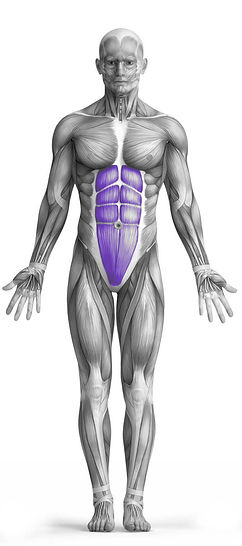

Exercise Synopsis
Target Muscle Group
Abs
Secondary Targets
None
Execution
Isolation
Force Type
Pull (Bilateral)
Required Equipment
Bodyweight
Fitness Level
Beginner
Variations
None
Alternatives
None
Timer
Hour
Minute
Second
Stopwatch
00:00:00:00
Overview
The Lying Floor Leg Raise is a bodyweight exercise that primarily targets the abdominal muscles, making it an effective move for core strengthening and stability. Performed by lying flat on your back with your hands placed under your hips or at your sides for support, this exercise involves raising your legs until they are perpendicular to the floor and then lowering them back down with control. It engages the lower abs intensely, requiring no additional equipment, making it suitable for home or gym workouts. The Lying Floor Leg Raise is ideal for those aiming to tone their core while improving overall core endurance and functionality.
How to Perform
Lie flat on your back with your body fully extended, keeping your legs straight and placing your hands beneath your lower back or hips for added support and stability.
Engage your core muscles as you lift your legs upward in a controlled motion, aiming to bring them towards your head. Exhale as you perform this movement to enhance abdominal contraction.
Stop when your legs are just past parallel to the floor, ensuring your abs are fully activated. Avoid letting your lower back arch off the ground during the motion.
Slowly lower your legs back to the starting position, maintaining control and tension in your core throughout the descent.
Repeat this movement for the prescribed number of repetitions, focusing on steady breathing and maintaining proper form to maximize the effectiveness of the exercise.
★ Bonus: For exercises that involve external weights (such as dumbbells, barbells, or machines), the One Rep Max (1RM) calculator can help you estimate your maximum lifting capacity. Use it to track your strength progress and adjust your training for optimal results.
Tips
Exhale forcefully, as if you’re blowing out birthday candles, and pause for a moment at the peak of the movement to enhance your focus on engaging the abdominal muscles effectively.
If you experience discomfort in your lower back while performing this exercise, consider switching to core movements that focus on resisting extension or rotation to reduce strain.
Refrain from placing your hands behind your head, as this can cause unnecessary tension in your neck and detract from proper form.
How Not to Perform
Avoid Arching Your Lower Back: Do not let your lower back lift off the floor during the movement. This can strain your lower back and reduce engagement of your abdominal muscles. Keep your core tight and your back pressed against the ground.
Don’t Swing Your Legs: Avoid using momentum to lift your legs. Perform the movement slowly and with control to ensure the focus stays on your abs, not on inertia.
Do Not Bend Your Knees: Keep your legs straight throughout the exercise. Bending the knees reduces the intensity on your core and shifts the focus away from the target muscles.
Refrain from Rushing the Reps: Do not rush through the repetitions. Quick movements can lead to improper form and reduce the effectiveness of the exercise. Focus on slow, deliberate lifts and descents.
Avoid Holding Your Breath: Holding your breath can cause unnecessary tension and limit oxygen flow. Maintain a steady breathing pattern—exhale as you lift your legs and inhale as you lower them.
Do Not Place Hands Behind the Head: Placing your hands behind your head may cause neck strain and detract from proper form. Keep your hands at your sides or under your hips for support.
Don’t Lower Legs Too Far: Avoid lowering your legs too close to the floor if it causes your lower back to lift. Only lower them as far as you can while maintaining core engagement and back contact with the floor.
Do Not Overextend the Range of Motion: Lifting your legs too high, beyond perpendicular to the floor, can reduce tension on your abs and involve other muscle groups unnecessarily. Keep the range controlled and focused.
Avoid Ignoring Core Engagement: Failing to actively engage your core throughout the exercise diminishes its effectiveness and increases the risk of injury. Stay mindful of keeping your abs tight from start to finish.
Don’t Overdo Repetitions: Performing too many repetitions with poor form can lead to fatigue and increase the risk of injury. Focus on quality over quantity to maximize results safely.
Variations
Variations of fitness exercises refer to different ways of performing a specific exercise or movement to target various muscle groups, intensities, or goals. These variations aim to challenge the body differently, prevent plateaus, and cater to individuals with varying fitness levels.
Alternatives
Alternative exercises in fitness refer to different movements or activities that target similar muscle groups or serve the same training purpose as the primary exercise. These alternative exercises can be used as substitutes when the original exercise is unavailable or challenging to perform due to various reasons such as equipment limitations, injuries, or personal preferences.
