


Standing Barbell Twist 101 Video Tutorial
0

Exercise Synopsis
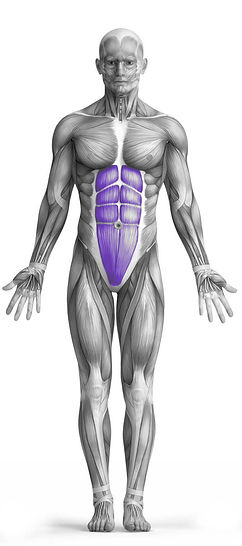
Target Muscle Group
Abs
Secondary Targets
None
Execution
Isolation
Force Type
N/A
Required Equipment
Barbell
Fitness Level
Beginner
Variations
None
Alternatives
None
Timer
Hour
Minute
Second
Stopwatch
00:00:00:00
Overview
The Standing Barbell Twist is an effective exercise designed to target the abdominal muscles, specifically the obliques. By standing upright and holding a barbell across the upper back or shoulders, the movement involves rotating the torso from side to side, engaging the core to stabilize and control the motion. This exercise helps improve rotational strength and core stability, making it beneficial for enhancing athletic performance and supporting functional movement. The only equipment required is a barbell, and no secondary muscle groups are primarily targeted. Proper form is essential to avoid strain on the lower back.
How to Perform
Begin by holding a light barbell with both hands, positioning it across the upper back, just below the neck. Ensure the barbell is resting on your shoulders, not directly on your neck.
Stand tall with your feet placed wider than shoulder-width apart, ensuring a stable base. Keep your back straight and engage your core to maintain good posture throughout the movement.
Slowly rotate your torso to the right, focusing on engaging your obliques, then return to the center. Repeat the same movement to the left, maintaining controlled motion at all times.
Aim to twist as far as your range of motion allows, ensuring that the movement comes from your torso, not your head. Keep your head facing forward to avoid unnecessary strain on the neck.
Throughout the exercise, keep your abdominal muscles tight to enhance the engagement of your core and avoid swinging or using momentum.
Maintain a slow and controlled pace, focusing on form rather than speed to effectively target your obliques and avoid injury.
★ Bonus: For exercises that involve external weights (such as dumbbells, barbells, or machines), the One Rep Max (1RM) calculator can help you estimate your maximum lifting capacity. Use it to track your strength progress and adjust your training for optimal results.
Tips
Avoid turning your head as you twist; keep your gaze directed straight ahead throughout the movement.
Engage your abdominal muscles firmly and maintain this tension during the entire set to maximize core activation.
If you're using an Olympic barbell, ensure you have enough space around you to move freely and safely.
Alternatively, you can perform this exercise while seated at the edge of a bench for added support and stability.
How Not to Perform
Avoid Using Momentum: Do not jerk or swing your body to twist from side to side. This can lead to injury and reduces the effectiveness of the exercise. Focus on controlled, deliberate movements to engage your core properly.
Don’t Rotate Your Head: Keep your head fixed and your gaze facing forward. Twisting your neck with your torso can strain your neck muscles and throw off your alignment, leading to potential injury.
Don’t Overextend Your Range of Motion: Avoid twisting too far, as this can put unnecessary strain on your lower back. Only twist to a point where you can maintain control and proper form.
Don’t Let Your Lower Back Arch: Keep your back straight and avoid arching it as you twist. Excessive curvature of the spine can cause discomfort and injury, especially in the lower back area.
Don’t Relax Your Core: Failing to keep your abs engaged throughout the exercise reduces the focus on your obliques and can lead to energy wastage. Keep your core tight and engaged to maximize the effectiveness of the movement.
Avoid Using Too Much Weight: Using a barbell that is too heavy can cause you to compromise your form. Start with a light weight to master the movement, then gradually increase the load as you build strength and stability.
Don’t Rush the Movement: Speeding through the exercise can lead to poor form and reduces the time your muscles are under tension. Perform the twist slowly to fully engage the obliques and avoid wasting energy.
Variations
Variations of fitness exercises refer to different ways of performing a specific exercise or movement to target various muscle groups, intensities, or goals. These variations aim to challenge the body differently, prevent plateaus, and cater to individuals with varying fitness levels.
Alternatives
Alternative exercises in fitness refer to different movements or activities that target similar muscle groups or serve the same training purpose as the primary exercise. These alternative exercises can be used as substitutes when the original exercise is unavailable or challenging to perform due to various reasons such as equipment limitations, injuries, or personal preferences.
