


Straddle Maltese 101 Video Tutorial
0
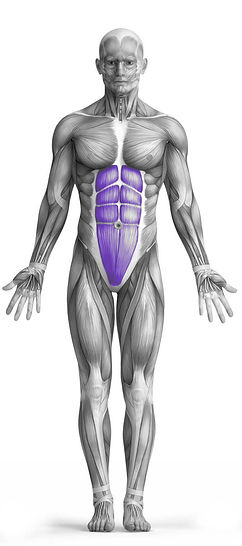

Exercise Synopsis
Target Muscle Group
Abs
Secondary Targets
Execution
Compound
Force Type
Isometric
Required Equipment
Bodyweight
Fitness Level
Advanced
Variations
None
Alternatives
None
Timer
Hour
Minute
Second
Stopwatch
00:00:00:00
Overview
Straddle Maltese is an advanced bodyweight exercise that primarily targets the abs while also heavily engaging the shoulders. Performed on parallel bars or rings, it involves pushing into a handstand, then slowly lowering the body into a straddle position with arms extended out to the sides, keeping the body parallel to the ground. The exercise demands exceptional core strength, shoulder stability, and control, as well as flexibility in the hips and legs to maintain the straddle. Holding the position emphasizes isometric contraction of the abs and shoulders, making it an effective move for developing both core power and upper-body endurance.
How to Perform
Position yourself on an elevated surface like parallel bars or gymnastics rings, ensuring a stable base.
Grip the bars or rings firmly and lift your body into a controlled handstand.
Gradually lower your torso while extending your legs into a wide straddle, keeping your arms straight and parallel to the floor.
Maintain the straddle Maltese pose, keeping your body horizontal and core fully engaged for as long as possible.
Keep your legs actively spread and press your core and shoulders to preserve balance and prevent sagging.
To exit, slowly raise your body back into the handstand, then carefully return to a standing position, maintaining control throughout.
★ Bonus: For exercises that involve external weights (such as dumbbells, barbells, or machines), the One Rep Max (1RM) calculator can help you estimate your maximum lifting capacity. Use it to track your strength progress and adjust your training for optimal results.
Tips
Prioritize core engagement throughout to maintain a stable horizontal position.
Keep shoulders fully activated to support body weight and prevent strain.
Maintain straight arms to maximize shoulder and core tension.
Spread legs wide but controlled to reduce hip strain and improve balance.
Breathe steadily to avoid unnecessary tension and fatigue.
Progress gradually, starting with partial holds before attempting full duration.
Avoid collapsing the lower back by keeping abs tight and pelvis slightly tucked.
Focus on smooth, controlled movements to prevent momentum from compromising form.
Use mental focus and visualization to enhance stability and hold duration.
Rest adequately between attempts to allow muscles to recover fully.
How Not to Perform
Don't let your lower back sag or arch excessively, as it shifts tension away from the abs.
Don't bend your arms; keep them straight to avoid shoulder strain.
Don't rush into the straddle position; avoid using momentum to lower your body.
Don't let your legs collapse inward or unevenly; maintain even straddle width.
Don't hold your breath; avoid unnecessary tension and fatigue.
Don't lock your neck or crane it; keep it neutral to prevent strain.
Don't perform the exercise without proper warm-up of shoulders and core.
Don't overextend the hold beyond your control; it increases injury risk.
Don't neglect shoulder engagement; failing to activate them can overload joints.
Don't swing or wobble; maintain controlled, stable positioning throughout.
Variations
Variations of fitness exercises refer to different ways of performing a specific exercise or movement to target various muscle groups, intensities, or goals. These variations aim to challenge the body differently, prevent plateaus, and cater to individuals with varying fitness levels.
Alternatives
Alternative exercises in fitness refer to different movements or activities that target similar muscle groups or serve the same training purpose as the primary exercise. These alternative exercises can be used as substitutes when the original exercise is unavailable or challenging to perform due to various reasons such as equipment limitations, injuries, or personal preferences.
