


Toy Soldier 101 Video Tutorial
0
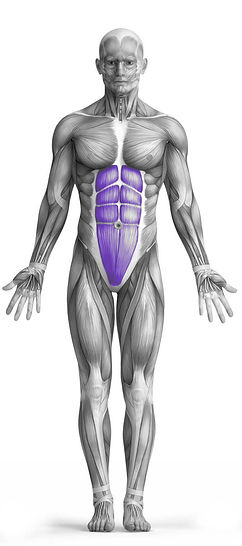

Exercise Synopsis
Target Muscle Group
Abs
Secondary Targets
Execution
Isolation
Force Type
Core
Required Equipment
Bodyweight
Fitness Level
Intermediate
Variations
None
Alternatives
None
Timer
Hour
Minute
Second
Stopwatch
00:00:00:00
Overview
The Toy Soldier exercise is a dynamic bodyweight movement that primarily targets the abs while also engaging the hip flexors. It involves standing tall and alternately kicking one leg straight out in front while reaching toward the toes with the opposite hand, mimicking the motion of a marching soldier. This exercise enhances core strength, hip mobility, and coordination, making it effective for improving overall stability and flexibility in the lower body.
How to Perform
Stand upright with your feet hip-width apart and arms relaxed at your sides.
Engage your core by drawing your belly button toward your spine and keeping your chest tall.
Lift your right leg straight out in front of you while simultaneously reaching your left hand toward your right toes.
Keep your back straight and avoid leaning backward or rounding your shoulders.
Lower your right leg and left arm back to the starting position with control.
Repeat the movement on the opposite side, lifting your left leg and reaching with your right hand.
Continue alternating sides in a slow, controlled marching motion, maintaining core engagement throughout.
Focus on reaching toward your toes rather than forcing high kicks, keeping the movement smooth and deliberate.
★ Bonus: For exercises that involve external weights (such as dumbbells, barbells, or machines), the One Rep Max (1RM) calculator can help you estimate your maximum lifting capacity. Use it to track your strength progress and adjust your training for optimal results.
Tips
Keep your core fully engaged throughout the movement to maximize ab activation.
Focus on controlled kicks rather than height to prevent lower back strain.
Maintain a tall posture and avoid leaning backward during the reach.
Move slowly and deliberately to enhance coordination and balance.
Exhale as you reach toward your toes to improve core contraction.
Keep shoulders relaxed and away from your ears to prevent tension.
Ensure the supporting leg remains slightly bent to protect the knee joint.
Alternate sides evenly to maintain muscular balance and symmetry.
Avoid jerky or fast movements to reduce the risk of hip flexor strain.
Keep eyes forward to help maintain stability and proper alignment.
How Not to Perform
Do not arch your lower back or lean backward while reaching for your toes.
Do not swing your leg or use momentum instead of controlled movement.
Do not lock your knees on the supporting leg.
Do not raise your leg higher than your flexibility allows, risking strain.
Do not shrug or tense your shoulders toward your ears.
Do not move too quickly, which reduces core engagement and coordination.
Do not neglect alternating sides evenly, which can create muscular imbalances.
Do not allow your chest to collapse or shoulders to round forward.
Do not hold your breath; maintain steady breathing throughout.
Do not let your gaze drop downward, which can affect balance and posture.
Variations
Variations of fitness exercises refer to different ways of performing a specific exercise or movement to target various muscle groups, intensities, or goals. These variations aim to challenge the body differently, prevent plateaus, and cater to individuals with varying fitness levels.
Alternatives
Alternative exercises in fitness refer to different movements or activities that target similar muscle groups or serve the same training purpose as the primary exercise. These alternative exercises can be used as substitutes when the original exercise is unavailable or challenging to perform due to various reasons such as equipment limitations, injuries, or personal preferences.
