


Twisting Lying Cable Crunch 101 Video Tutorial
0
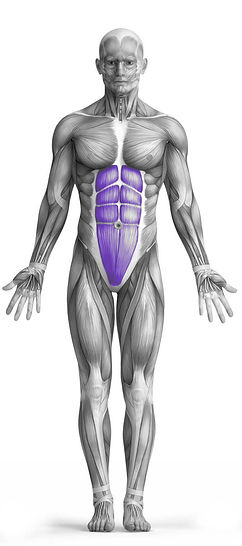

Exercise Synopsis
Target Muscle Group
Abs
Secondary Targets
None
Execution
Isolation
Force Type
Pull
Required Equipment
Cable Machine
Fitness Level
Beginner
Variations
None
Alternatives
None
Timer
Hour
Minute
Second
Stopwatch
00:00:00:00
Overview
The Twisting Lying Cable Crunch is an effective exercise that primarily targets the abdominal muscles, focusing on building core strength and definition. Performed using a cable machine, this movement isolates the abs without engaging secondary muscle groups, making it highly specific for core development. To execute, you lie on your back with the cable machine positioned behind your head, gripping the handle or rope attachment. By curling your torso upward and adding a twisting motion, you engage both the rectus abdominis and oblique muscles, emphasizing rotational core strength. This exercise is ideal for individuals seeking to enhance abdominal definition and improve functional core stability.
How to Perform
Connect a rope attachment to the low pulley of a cable machine and position yourself on the floor or a flat bench.
Grasp the rope with both hands, bringing it close to your head, with your elbows bent and pointing outward. Ensure a firm grip to maintain control throughout the exercise.
Sit back on your heels with your knees bent at approximately 90 degrees, ensuring your feet are stable on the ground. Adjust the rope to create slight tension in the starting position.
Engage your abdominal muscles and initiate the movement by crunching your torso forward. Simultaneously twist to one side, aiming to bring one elbow toward the opposite knee.
Concentrate on using your core to drive the movement, avoiding momentum or pulling with your arms. Keep your elbows steady to isolate the abdominal muscles effectively.
Pause briefly at the bottom of the crunch to maximize the contraction in your abs, then slowly reverse the motion to return to the starting position under control.
Alternate sides with each repetition, twisting in the opposite direction to target both sides of the core equally.
Perform the desired number of repetitions, maintaining a steady pace and proper form to avoid unnecessary strain on your neck or back.
★ Bonus: For exercises that involve external weights (such as dumbbells, barbells, or machines), the One Rep Max (1RM) calculator can help you estimate your maximum lifting capacity. Use it to track your strength progress and adjust your training for optimal results.
Tips
Setup Properly: Attach a rope handle to the low pulley of a cable machine and lie flat on the floor or a bench.
Grip the Rope Correctly: Hold the rope with both hands near the sides of your head, ensuring a firm grip for control.
Engage Your Core: Brace your abdominal muscles before starting the movement to stabilize your torso.
Create Tension: Pull the rope slightly to ensure constant tension throughout the exercise.
Twist and Crunch: Crunch your torso forward while twisting to one side, bringing your elbow toward the opposite knee.
Avoid Using Momentum: Focus on using your abs to drive the movement rather than pulling with your arms or swinging your body.
Maintain Elbow Position: Keep your elbows steady and close to your head to isolate the abdominal muscles effectively.
Control the Movement: Slowly return to the starting position to avoid strain and maximize engagement.
Alternate Sides: Perform the crunch on the opposite side during the next repetition to evenly target the oblique muscles.
Prioritize Form Over Speed: Maintain a controlled pace to ensure proper technique and reduce the risk of injury.
How Not to Perform
Do Not Use Your Arms to Pull: Avoid pulling the rope with your arms. Focus on engaging your core muscles to drive the movement.
Avoid Momentum: Do not swing your body or use momentum to complete the crunch. Perform each repetition slowly and with control to maximize effectiveness.
Keep Your Elbows Fixed: Do not allow your elbows to flare out or move excessively. Keeping them steady ensures the abs remain the primary focus.
Do Not Arch Your Back: Avoid arching your lower back during the movement, as this can strain your spine and reduce abdominal engagement.
Don’t Neglect Tension: Ensure the cable maintains constant tension throughout the exercise. Letting the tension slack reduces the effectiveness of the workout.
Avoid Rushing: Do not perform the exercise too quickly, as this can compromise form and reduce muscle activation.
Don’t Over-Twist: Avoid excessive twisting that can strain your lower back. The motion should be controlled and within a safe range of motion.
Maintain Proper Alignment: Keep your neck neutral and avoid pulling it forward with your hands, which can lead to neck strain.
Don’t Use Heavy Weights Initially: Using too much weight can compromise form and increase the risk of injury. Start light and gradually increase as you build strength.
Avoid Holding Your Breath: Practice controlled breathing, exhaling as you crunch forward and inhaling as you return to the starting position. This helps maintain stability and prevents unnecessary tension.
Variations
Variations of fitness exercises refer to different ways of performing a specific exercise or movement to target various muscle groups, intensities, or goals. These variations aim to challenge the body differently, prevent plateaus, and cater to individuals with varying fitness levels.
Alternatives
Alternative exercises in fitness refer to different movements or activities that target similar muscle groups or serve the same training purpose as the primary exercise. These alternative exercises can be used as substitutes when the original exercise is unavailable or challenging to perform due to various reasons such as equipment limitations, injuries, or personal preferences.
