


V-Sit On Floor 101 Video Tutorial
0

Exercise Synopsis
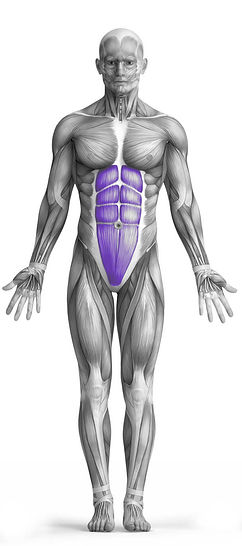
Target Muscle Group
Abs
Secondary Targets
Execution
Isolation
Force Type
Isometric
Required Equipment
Bodyweight
Fitness Level
Beginner
Variations
None
Alternatives
Timer
Hour
Minute
Second
Stopwatch
00:00:00:00
Overview
V-Sit On Floor is a bodyweight core exercise performed in a seated position where the torso and legs are lifted off the ground to form a V shape, requiring continuous abdominal engagement to stabilize and maintain balance. The movement primarily targets the abdominal muscles while the hip flexors act as secondary supporters to keep the legs elevated, making it an effective exercise for improving core strength, control, and endurance without the need for any equipment.
How to Perform
Sit upright on the floor with your legs fully extended and your spine tall, placing your hands lightly on the ground beside your hips for initial balance.
Gently lean your torso backward while keeping your chest open, then lift both legs off the floor at the same time, maintaining straight knees and pointed toes.
Adjust your balance so your weight rests on your sitting bones, creating a controlled V position between your upper body and legs.
Tighten your abdominal muscles, brace your core, and keep your lower back stable without rounding or collapsing.
Hold the position while breathing steadily, maintaining tension through the abs and hip flexors for 20 to 30 seconds or as long as proper form can be sustained.
Increase difficulty by extending your arms forward, raising them overhead, or reaching toward your legs while keeping the body stable.
To finish the set, slowly lower your legs to the floor, bring your torso back to an upright seated position, and repeat for 3 to 4 controlled sets, gradually increasing hold duration as strength improves.
★ Bonus: For exercises that involve external weights (such as dumbbells, barbells, or machines), the One Rep Max (1RM) calculator can help you estimate your maximum lifting capacity. Use it to track your strength progress and adjust your training for optimal results.
Tips
Keep your chest lifted and spine neutral to prevent collapsing through the lower back.
Actively brace your abs as if preparing for impact to maximize core engagement.
Avoid swinging or momentum when lifting or holding the legs to keep tension on the abs.
Point or lightly flex your toes to maintain full-body tension and control.
Keep your shoulders relaxed and down, not shrugged toward your ears.
Breathe slowly and evenly instead of holding your breath during the hold.
Maintain even weight on your sitting bones to improve balance and stability.
Stop the set if hip flexors take over and abdominal tension is lost.
How Not to Perform
Do not round or excessively arch your lower back, as this shifts tension away from the abs and increases spinal stress.
Do not rely on swinging the legs or using momentum to hold the position.
Do not pull your shoulders up toward your ears or tense your neck during the hold.
Do not hold your breath, as this reduces core control and endurance.
Do not allow the hip flexors to dominate by letting the legs drop or the torso lean too far back.
Do not rest your hands heavily on the floor to assist balance and reduce abdominal demand.
Do not rush the setup or exit from the position, as uncontrolled movement increases injury risk.
Do not continue the hold once abdominal engagement is lost and form begins to break down.
Variations
Variations of fitness exercises refer to different ways of performing a specific exercise or movement to target various muscle groups, intensities, or goals. These variations aim to challenge the body differently, prevent plateaus, and cater to individuals with varying fitness levels.
Alternatives
Alternative exercises in fitness refer to different movements or activities that target similar muscle groups or serve the same training purpose as the primary exercise. These alternative exercises can be used as substitutes when the original exercise is unavailable or challenging to perform due to various reasons such as equipment limitations, injuries, or personal preferences.
