


Barbell Reverse Grip Incline Bench Row 101 Video Tutorial
0

Exercise Synopsis
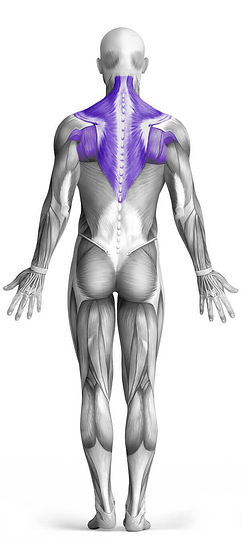
Target Muscle Group
Upper Back
Secondary Targets
Execution
Compound
Force Type
Pull (Bilateral)
Required Equipment
Barbell
Fitness Level
Advanced
Variations
Alternatives
Timer
Hour
Minute
Second
Stopwatch
00:00:00:00
Overview
The Barbell Reverse Grip Incline Bench Row is a compound exercise primarily targeting the upper back, including muscles such as the rhomboids, trapezius, and rear deltoids. Using a reverse grip, this movement also engages the biceps as secondary muscles, helping to build arm strength. Performed on an incline bench, the exercise enhances muscle activation by positioning the body at an angle that isolates the upper back more effectively. A barbell is the required equipment, and the exercise involves pulling the barbell towards the torso while maintaining a controlled motion, making it highly effective for improving both upper back and arm strength.
How to Perform
Position an incline bench at a 45-degree angle and place a barbell on the floor in front of you.
Sit on the incline bench, ensuring your chest is supported against the bench while your feet remain firmly on the ground.
Reach forward to grasp the barbell with an underhand grip (palms facing up), positioning your hands slightly wider than shoulder-width apart.
Maintain a straight posture with your back and engage your core as you lift the barbell off the floor.
Pull the barbell toward your torso, keeping your elbows close to your body and retracting your shoulder blades at the peak of the motion.
Slowly lower the barbell back to the starting position, fully extending your arms while maintaining control.
Repeat the movement for the required number of sets and reps, ensuring proper form throughout the exercise.
★ Bonus: For exercises that involve external weights (such as dumbbells, barbells, or machines), the One Rep Max (1RM) calculator can help you estimate your maximum lifting capacity. Use it to track your strength progress and adjust your training for optimal results.
Tips
Maintain a proud chest and keep your shoulders relaxed during the entire exercise.
Refrain from relying on momentum to lift the barbell; emphasize smooth, controlled motions throughout the movement.
Choose a barbell weight that aligns with your current strength, and aim to progressively increase the weight as you gain strength.
How Not to Perform
Avoid Arching Your Back: Keep your back straight and avoid excessively arching it to prevent unnecessary strain on your lower back. Engage your core to maintain stability and proper posture throughout the exercise.
Don’t Use Momentum: Refrain from jerking or swinging the barbell. Focus on slow, controlled movements to fully engage the target muscles (upper back and biceps) and avoid wasting energy.
Elbows Shouldn’t Flare Out: Keep your elbows close to your body during the pulling phase. Flaring your elbows out can shift the focus away from the upper back and may increase shoulder strain.
Don’t Overreach: Avoid pulling the barbell too far beyond your torso. Bringing the barbell too high can put unnecessary pressure on the shoulder joints and disengage the targeted muscles.
Don’t Rush the Lowering Phase: Lower the barbell with control, ensuring that you fully extend your arms at the bottom of the movement. A quick or sloppy lowering phase can reduce the effectiveness of the exercise and increase injury risk.
Avoid Gripping Too Wide: Keep your hands slightly wider than shoulder-width apart, but avoid going too wide. A grip that’s too wide can decrease the activation of the back muscles and place unnecessary stress on your shoulders.
Don’t Let Your Neck Strain: Keep your head aligned with your spine. Looking up or down too much can strain your neck and disrupt your form.
Avoid Lifting Too Heavy Too Soon: Start with a manageable weight and only increase it gradually as you build strength. Lifting too heavy too soon can compromise your form and lead to injury.
Variations
Variations of fitness exercises refer to different ways of performing a specific exercise or movement to target various muscle groups, intensities, or goals. These variations aim to challenge the body differently, prevent plateaus, and cater to individuals with varying fitness levels.
Alternatives
Alternative exercises in fitness refer to different movements or activities that target similar muscle groups or serve the same training purpose as the primary exercise. These alternative exercises can be used as substitutes when the original exercise is unavailable or challenging to perform due to various reasons such as equipment limitations, injuries, or personal preferences.
