


Cable Reverse-Grip Straight Back Seated High Row 101 Video Tutorial
0

Exercise Synopsis
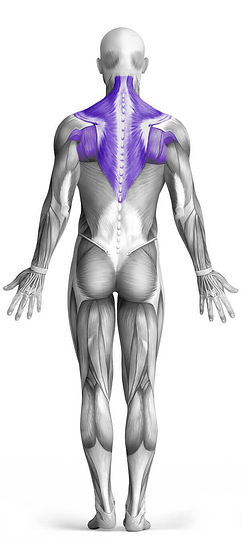
Target Muscle Group
Upper Back
Secondary Targets
Execution
Compound
Force Type
Pull
Required Equipment
Cable Machine
Fitness Level
Intermediate
Variations
Alternatives
Timer
Hour
Minute
Second
Stopwatch
00:00:00:00
Overview
The Cable Reverse-Grip Straight Back Seated High Row is an effective upper back exercise that primarily targets the upper back muscles, with a secondary focus on the lats. Performed using a cable machine, the exercise involves sitting with a straight back, gripping the bar with an underhand (reverse) grip, and pulling the bar towards your chest while keeping your torso stable. This motion helps to strengthen and develop the upper back, including the rhomboids and trapezius, while also engaging the lats for additional support. The controlled movement and use of the cable machine provide a consistent resistance, making it a great option for building upper body strength and improving posture.
How to Perform
Prepare the Cable Machine: Attach a straight bar to the cable machine and adjust the seat to a height that allows for a comfortable range of motion when sitting. Ensure the machine is properly set up for your height and arm length.
Position Yourself: Sit on the bench facing the machine, with your feet flat on the floor and your knees slightly bent. Maintain an upright posture with your back straight and your chest lifted.
Grip the Bar: Reach forward to grasp the straight bar with an underhand grip (palms facing toward your body), positioning your hands slightly wider than shoulder-width apart. Your arms should be fully extended at the start.
Engage Your Core and Posture: Keep your torso stable and your shoulders relaxed. Activate your core muscles to ensure a solid base, preventing any unnecessary movement during the exercise.
Begin the Pull: Initiate the movement by pulling the bar toward your abdomen. Focus on retracting your shoulder blades together, engaging your upper back muscles, particularly the traps and rhomboids, rather than relying on your arms.
Maintain Elbow Position: As you pull the bar closer to your body, make sure your elbows remain tucked close to your sides. This ensures the movement stays focused on the back rather than the arms.
Pause at the Contraction: When the bar reaches its closest point to your body, briefly pause and feel the contraction in your upper back and lats. This squeeze enhances muscle activation.
Slowly Return to Starting Position: Gradually extend your arms forward, ensuring you maintain a slight bend in the elbows to protect the joints. Don't let the arms fully lock out at the end of the motion.
Repeat: Continue the movement for the prescribed number of repetitions, focusing on maintaining controlled form and engaging the correct muscles throughout.
Finish with Control: After completing your set, slowly release the tension on the cable and return the bar to its original position, ensuring you don't rush or let the weight swing. Take a moment to reset before starting your next set.
★ Bonus: For exercises that involve external weights (such as dumbbells, barbells, or machines), the One Rep Max (1RM) calculator can help you estimate your maximum lifting capacity. Use it to track your strength progress and adjust your training for optimal results.
Tips
Prioritize Proper Form: Throughout the entire exercise, focus on maintaining correct posture to ensure you effectively target the muscles in your back.
Engage Your Core: Activate your core muscles during the movement to provide support and stability to your spine, helping you maintain control throughout the exercise.
Relax Your Shoulders: Keep your shoulders relaxed and avoid shrugging or tensing them. This will help focus the work on your back muscles.
Control the Tempo: Perform the movement in a slow and controlled manner, avoiding any sudden jerks or swinging motions that could reduce the effectiveness of the exercise.
Squeeze at the Top: When the bar is pulled towards your body, pause briefly and squeeze your shoulder blades together. This maximizes muscle engagement in the back.
Choose the Right Weight: Select a weight that is challenging but still allows you to perform the movement with proper form. Avoid going too heavy and compromising your technique.
Breathe Properly: Remember to breathe throughout the exercise. Exhale as you pull the bar toward you and inhale as you return to the starting position.
Explore Variations: To target different areas of your back, try variations like single-arm rows or wide-grip rows. These variations can enhance overall back development.
Allow Recovery: Ensure that you give your muscles enough time to recover between sets and workout sessions. This prevents overtraining and supports muscle growth.
Incorporate Other Compound Movements: Add exercises like deadlifts and pull-ups into your routine to further strengthen and develop your back muscles. These exercises will complement your rowing movements.
How Not to Perform
Avoid Using Momentum: Don’t rely on swinging or jerking your body to move the weight. Momentum can shift focus away from the target muscles and lead to injury. Instead, maintain a controlled and smooth movement throughout the exercise.
Don’t Shrug Your Shoulders: Avoid lifting your shoulders towards your ears while pulling the bar. This can put unnecessary strain on your neck and upper traps. Keep your shoulders relaxed and focus on squeezing your shoulder blades together.
Don’t Elbow Flare: Keep your elbows close to your body and avoid letting them flare out to the sides. Flaring the elbows can shift the emphasis away from your back muscles and put stress on your shoulder joints.
Avoid Arching Your Back: Do not arch your lower back excessively while pulling the bar. This could strain your spine and lead to discomfort or injury. Keep your back straight and avoid leaning too far backward during the pull.
Don’t Use Too Much Weight: Avoid using a weight that is too heavy for your current strength level, as this can compromise your form and increase the risk of injury. Choose a weight that allows you to complete the exercise with good technique.
Don’t Neglect Your Core: Failing to engage your core can cause instability during the exercise, making you more prone to injury. Keep your core activated to maintain stability and protect your lower back.
Don’t Overextend Your Arms: When returning the bar to the starting position, don’t fully extend your arms to lockout. A slight bend in the elbows helps maintain tension on the back muscles and protects your joints from overstretching.
Don’t Rush the Movement: Avoid rushing through the exercise. Performing the movement too quickly reduces the time under tension for your back muscles. Focus on slow, controlled repetitions to maximize muscle activation.
Don’t Neglect Breathing: Failing to breathe properly can cause tension and reduce performance. Exhale as you pull the bar towards your body and inhale as you extend your arms. Proper breathing helps maintain control and energy levels.
Avoid Slouching: Never slouch or round your back when sitting on the machine. A hunched posture reduces the effectiveness of the exercise and can lead to discomfort. Sit up straight with your chest lifted to maintain proper alignment throughout the movement.
Variations
Variations of fitness exercises refer to different ways of performing a specific exercise or movement to target various muscle groups, intensities, or goals. These variations aim to challenge the body differently, prevent plateaus, and cater to individuals with varying fitness levels.
Alternatives
Alternative exercises in fitness refer to different movements or activities that target similar muscle groups or serve the same training purpose as the primary exercise. These alternative exercises can be used as substitutes when the original exercise is unavailable or challenging to perform due to various reasons such as equipment limitations, injuries, or personal preferences.
