


Incline Bench Barbell Row 101 Video Tutorial
0

Timer
Hour
Minute
Second
Stopwatch
00:00:00:00
Overview
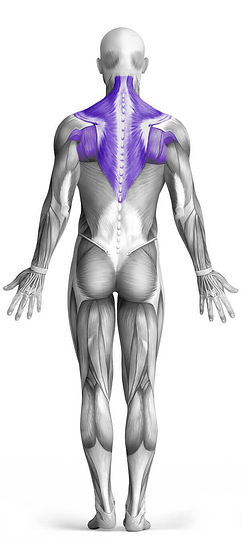
The Incline Bench Barbell Row primarily targets the upper back, with secondary emphasis on the biceps and lats. This exercise involves lying face down on an incline bench while holding a barbell, pulling it toward your torso in a controlled motion. The incline position helps isolate the upper back muscles, minimizing lower back involvement. By incorporating a barbell, it allows for heavier loading and greater muscle engagement, making it an effective movement for developing strength and size in the upper back and arms. The exercise also aids in improving posture and overall upper body stability.
How to Perform
Set up an incline bench with an angle of around 30 degrees, or use a flat bench with some support to create an incline. Position a barbell at the lower end of the bench.
Lie face down on the bench with your torso supported. Ensure your feet are either placed firmly on the floor for stability or positioned at the lower end of the bench if preferred for comfort.
Reach down and grab the barbell with a wide overhand grip, ensuring your hands are spaced evenly.
Keep your head up and eyes forward, then engage your upper back as you pull the barbell upward, bringing it toward your chest. Focus on using your back muscles to lift the weight, not your arms.
Continue raising the barbell until your upper arms are parallel to the ground or as high as you can go while maintaining control of the movement.
Pause briefly at the top of the movement, contracting your upper back muscles, then slowly lower the barbell back to the starting position in a controlled manner.
Repeat for the desired number of repetitions, ensuring proper form throughout the exercise to maximize effectiveness and minimize injury risk.
★ Bonus: For exercises that involve external weights (such as dumbbells, barbells, or machines), the One Rep Max (1RM) calculator can help you estimate your maximum lifting capacity. Use it to track your strength progress and adjust your training for optimal results.
Tips
Maintain your elbows close to your body throughout the movement.
As you pull the barbell upward, focus on squeezing your shoulder blades together at the top.
Hold the contraction briefly at the peak to fully engage the upper back muscles, ensuring you achieve the maximum benefit from the exercise.
How Not to Perform
Avoid Using Momentum: Do not swing your body or use excessive force to lift the barbell. Focus on controlled movements to ensure the muscles, not momentum, are doing the work.
Don’t Overextend: Avoid jerking the barbell too far beyond the point where your arms are parallel to the ground. Overextending can strain the shoulder joints and reduce the effectiveness of the exercise.
Don’t Let Your Elbows Fling Out: Keep your elbows close to your body throughout the movement. Allowing them to flare out can shift the focus away from the upper back and put unnecessary stress on the shoulders.
Avoid Looking Down: Keep your head in a neutral position with your eyes looking forward. Looking down can cause unnecessary strain on your neck and affect your form.
Don’t Round Your Back: Ensure your spine stays neutral and avoid rounding your back. Maintaining proper posture will help target the upper back muscles and prevent lower back strain.
Don’t Use Too Much Weight: Using excessively heavy weights can lead to poor form. Start with a manageable load to maintain control and focus on engaging the upper back properly.
Avoid Lifting with Your Arms: While your biceps will naturally assist in the movement, the main focus should be on pulling with your back muscles. Avoid letting your arms do most of the work.
Don’t Rush the Reps: Perform the movement slowly and deliberately, especially during the lowering phase. This ensures maximum muscle engagement and reduces the risk of injury.
Variations
Variations of fitness exercises refer to different ways of performing a specific exercise or movement to target various muscle groups, intensities, or goals. These variations aim to challenge the body differently, prevent plateaus, and cater to individuals with varying fitness levels.
Alternatives
Alternative exercises in fitness refer to different movements or activities that target similar muscle groups or serve the same training purpose as the primary exercise. These alternative exercises can be used as substitutes when the original exercise is unavailable or challenging to perform due to various reasons such as equipment limitations, injuries, or personal preferences.
