


Lever T-Bar Reverse Grip Row 101 Video Tutorial
0

Timer
Hour
Minute
Second
Stopwatch
00:00:00:00
Overview
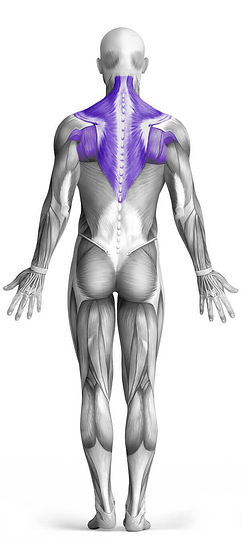
The Lever T-Bar Reverse Grip Row is a compound exercise primarily targeting the upper back, with secondary emphasis on the lats and biceps. Performed using a leverage machine, this row variation features a reverse grip that allows for a more comfortable and effective engagement of the upper back muscles. By pulling the weight towards the torso in a controlled manner, it strengthens the back and improves posture while also involving the biceps and forearms. This exercise is highly effective for building overall upper body strength and muscle development.
How to Perform
Set up the lever T-bar machine by adjusting the weight to suit your current strength level.
Position your feet either on the footrests or flat on the ground, slightly bending your knees to maintain stability.
Grip the handles of the lever T-bar with an underhand (supinated) grip, ensuring your palms are facing upward.
Begin with a straight back and a slight forward lean, keeping your spine neutral and avoiding rounding.
As you inhale, retract your shoulder blades and pull the handles toward your lower chest, keeping your elbows tight to your sides.
Pause briefly at the peak of the movement, contracting your back muscles to maximize activation.
Exhale while slowly extending your arms back to the starting position, maintaining control throughout the movement.
Perform the desired number of repetitions, focusing on controlled movement rather than using momentum.
Ensure your form remains consistent, engaging your back muscles properly for each rep.
As you gain strength, gradually increase the weight while continuing to prioritize good technique and form.
★ Bonus: For exercises that involve external weights (such as dumbbells, barbells, or machines), the One Rep Max (1RM) calculator can help you estimate your maximum lifting capacity. Use it to track your strength progress and adjust your training for optimal results.
Tips
Focus on proper form throughout the exercise to effectively engage the target muscles and reduce the risk of injury.
To intensify the exercise, gradually increase the weight or adjust the angle of the machine to hit different parts of your back.
Use a controlled pace, especially during both the pulling and returning phases, to fully activate your back muscles.
Activate your core by tightening your abs and glutes for improved stability and overall strength throughout the movement.
Vary your grip by experimenting with wide, narrow, and neutral hand positions to emphasize different sections of your back.
Keep your shoulders retracted and depressed throughout the motion to prevent unnecessary tension and to protect your shoulder joints.
Avoid rushing through the exercise; instead, concentrate on a slow, deliberate movement to maximize muscle activation.
To add variety and target your back muscles from different angles, include a range of rowing exercises in your routine.
Gradually increase the resistance to challenge your muscles as you progress, fostering continuous strength and growth.
Combine the Lever T-Bar Reverse Grip Row with other back exercises to build a comprehensive, well-rounded workout routine that targets all areas of the back.
How Not to Perform
Avoid Using Momentum: Do not jerk or swing your body to pull the handles. Focus on a controlled movement to ensure the tension remains on your back muscles, preventing unnecessary energy expenditure and strain.
Don’t Arch Your Back: Keep your spine neutral and avoid excessive arching. Overextending the lower back can lead to injury and take the focus away from your upper back and lats.
Don’t Let Your Elbows Flare Out: Keep your elbows close to your body throughout the movement. Letting them flare outward reduces the effectiveness of the exercise and may place strain on your shoulders.
Avoid Overloading the Weight: Using too much weight can cause you to sacrifice form and lead to injury. Start with a manageable weight and increase it gradually as you become more comfortable with the movement.
Don’t Rush the Reps: Perform each rep slowly and deliberately. Rushing through the exercise can prevent full muscle activation and increase the likelihood of improper form.
Avoid Shrugging Your Shoulders: Keep your shoulders pulled back and down. Shrugging or lifting your shoulders towards your ears will shift the emphasis away from your upper back and put unnecessary stress on your traps and neck.
Don’t Lock Your Elbows: At the end of the movement, avoid fully locking your elbows out. Keeping a slight bend helps maintain continuous tension on the target muscles and prevents strain on your joints.
Don’t Neglect Your Core: Failing to engage your core can lead to instability and unnecessary strain on your lower back. Always tighten your abs and glutes to maintain proper posture and stability.
Avoid Looking Up or Down Excessively: Keep your head in a neutral position, aligned with your spine. Looking up or down can throw off your body alignment and lead to neck strain.
Don’t Bounce the Weight: When lowering the weight, do not allow it to drop quickly or bounce back up. A controlled descent ensures full muscle engagement and reduces the risk of injury.
Variations
Variations of fitness exercises refer to different ways of performing a specific exercise or movement to target various muscle groups, intensities, or goals. These variations aim to challenge the body differently, prevent plateaus, and cater to individuals with varying fitness levels.
Alternatives
Alternative exercises in fitness refer to different movements or activities that target similar muscle groups or serve the same training purpose as the primary exercise. These alternative exercises can be used as substitutes when the original exercise is unavailable or challenging to perform due to various reasons such as equipment limitations, injuries, or personal preferences.
