


Neutral Grip Chest Supported Dumbbell Row 101 Video Tutorial
0

Timer
Hour
Minute
Second
Stopwatch
00:00:00:00
Overview
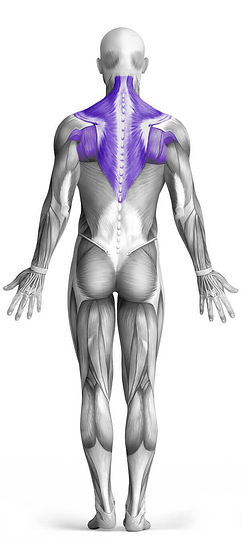
The Neutral Grip Chest Supported Dumbbell Row is an effective upper back exercise that also engages the biceps, lats, and shoulders. Using a neutral grip, where palms face each other, helps reduce strain on the wrists and shoulders while keeping focus on the upper back muscles. The exercise is performed on an incline bench with the chest supported to eliminate momentum, ensuring controlled movements and minimizing lower back involvement. This setup helps maximize muscle engagement in the upper back and is ideal for developing upper back strength, improving posture, and building stability across the shoulders and lats.
How to Perform
Set an adjustable incline bench to a 45-degree angle and position yourself face-down with your chest resting on the bench.
Hold a dumbbell in each hand with your palms facing each other, using a neutral grip to reduce wrist and shoulder strain.
Begin the row by pulling your elbows back while squeezing your shoulder blades together, focusing on engaging the muscles in your upper back.
Continue pulling until your elbows align with or slightly pass your torso, bringing the dumbbells close to your sides.
Gradually lower the dumbbells back to the starting position, keeping control throughout to avoid momentum.
Repeat for the desired number of repetitions, maintaining proper form to target your upper back, biceps, lats, and shoulders effectively.
★ Bonus: For exercises that involve external weights (such as dumbbells, barbells, or machines), the One Rep Max (1RM) calculator can help you estimate your maximum lifting capacity. Use it to track your strength progress and adjust your training for optimal results.
Tips
Adjust your head position by testing both forward-looking and neck-packed options to find what feels most stable and comfortable.
Engage your core slightly to keep your spine from arching excessively as you pull the dumbbells, promoting better alignment.
Move the dumbbells slowly and avoid using momentum; controlling each rep maximizes muscle engagement in the upper back, biceps, lats, and shoulders.
If your biceps are taking over and your back feels underworked, try a false grip (keeping your thumb on the same side as your fingers) to shift focus back to the upper back muscles.
As you pull, avoid lifting your upper body entirely off the bench; a slight lift is acceptable, but keep it minimal to maintain isolation on the back muscles.
Depending on leg length, you may find it comfortable to bend your knees and rest them on the lower bench pad. Alternatively, if you have longer legs, try extending them and planting your feet firmly on the ground.
Keep your head in line with your spine and avoid pushing it forward as you pull, maintaining proper posture.
Allow your shoulder blades to glide naturally along your rib cage as you row; don’t restrict their movement by locking them down, which can limit effective muscle activation.
How Not to Perform
Avoid Using Momentum
Do not swing or jerk your body to lift the dumbbells. Focus on slow, controlled movements to keep the emphasis on the upper back and avoid wasting energy.
Don’t Arch Your Back Excessively
Keep your core lightly engaged to prevent your spine from arching. Excessive arching can shift tension away from your upper back, increasing the risk of lower back strain.
Don’t Over-Raise Your Elbows
Avoid lifting your elbows too high, as this can activate shoulder muscles more than necessary and reduce upper back engagement. Aim to keep your elbows aligned with or slightly behind your torso.
Do Not Hyperextend the Thoracic Spine
Avoid lifting your upper body completely off the bench when you pull. Keep your torso close to the bench to avoid unnecessary pressure on your spine and focus on the back muscles.
Avoid Pulling with Your Arms Only
Do not rely solely on your biceps to lift the dumbbells. Concentrate on retracting your shoulder blades as you row to maximize upper back activation.
Don’t Lock Your Shoulder Blades
Don’t hold your shoulder blades in a fixed position; instead, allow them to move naturally. Locking them down limits range of motion, preventing effective upper back engagement.
Avoid Letting Your Head Push Forward
Keep your head aligned with your spine rather than pushing it forward. Forward head positioning can create neck tension and throw off your alignment.
Don’t Over-Grip the Dumbbells
Gripping too tightly can cause your forearms and biceps to take over. Use a firm but relaxed grip to prevent overusing these muscles and help keep the focus on your back.
Avoid Positioning Your Legs Incorrectly
Ensure your legs are either bent with knees on the lower pad or extended with feet flat on the floor, depending on your comfort and height. This will help you stay stable and prevent unwanted movement.
Don’t Rush the Repetitions
Moving too quickly reduces time under tension, minimizing muscle engagement. Take a slow pace to fully engage the upper back, shoulders, and lats throughout each rep.
Variations
Variations of fitness exercises refer to different ways of performing a specific exercise or movement to target various muscle groups, intensities, or goals. These variations aim to challenge the body differently, prevent plateaus, and cater to individuals with varying fitness levels.
Alternatives
Alternative exercises in fitness refer to different movements or activities that target similar muscle groups or serve the same training purpose as the primary exercise. These alternative exercises can be used as substitutes when the original exercise is unavailable or challenging to perform due to various reasons such as equipment limitations, injuries, or personal preferences.
