


Wide-Grip Seated Cable Row 101 Video Tutorial
0
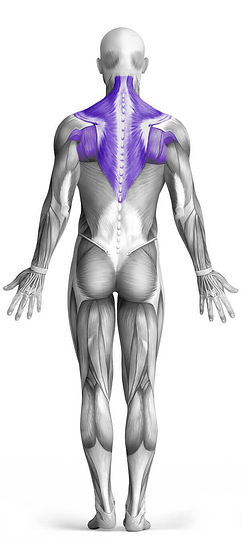

Exercise Synopsis
Target Muscle Group
Upper Back
Secondary Targets
Execution
Compound
Force Type
Pull (Bilateral)
Required Equipment
Cable Machine
Fitness Level
Intermediate
Variations
None
Alternatives
None
Timer
Hour
Minute
Second
Stopwatch
00:00:00:00
Overview
The Wide-Grip Seated Cable Row is a compound exercise performed on a cable machine that primarily targets the upper back while also engaging the lats. By sitting at a low pulley station and holding a wide grip on the straight-bar attachment, you pull the weight toward your waist while keeping your chest forward, shoulders down, and back arched. This movement emphasizes scapular retraction and strengthens the muscles of the upper back, improving posture and pulling strength, while the controlled return of the weight ensures constant tension on the targeted muscles.
How to Perform
Sit down on the low pulley station and grasp the straight-bar with a grip slightly wider than shoulder width.
Press your feet against the platform to stabilize your body and lean back slightly, fully extending your arms while keeping the weight under control.
Maintain an upright chest, relaxed shoulders, and a slight natural arch in your lower back throughout the movement.
Pull the bar toward your midsection by driving your elbows back and squeezing your shoulder blades together.
Slowly straighten your arms to return the bar to the starting position while keeping tension on the muscles.
Focus on smooth, controlled movements and avoid jerking the weight or rounding the back.
★ Bonus: For exercises that involve external weights (such as dumbbells, barbells, or machines), the One Rep Max (1RM) calculator can help you estimate your maximum lifting capacity. Use it to track your strength progress and adjust your training for optimal results.
Tips
Keep your torso upright and avoid tilting forward at any point.
End each repetition by fully retracting your shoulder blades.
How Not to Perform
Don’t round your back or slouch your shoulders during the movement.
Don’t use momentum by swinging your torso to pull the weight.
Don’t grip the bar too tightly, which can over-engage your forearms.
Don’t lock your elbows at the start or end of the row.
Don’t let your shoulders rise toward your ears; keep them down and relaxed.
Don’t pull the bar past your midsection or flare your elbows excessively.
Don’t release tension too quickly when returning the weight to the starting position.
Don’t lean forward or backward excessively; maintain a stable, upright torso.
Variations
Variations of fitness exercises refer to different ways of performing a specific exercise or movement to target various muscle groups, intensities, or goals. These variations aim to challenge the body differently, prevent plateaus, and cater to individuals with varying fitness levels.
Alternatives
Alternative exercises in fitness refer to different movements or activities that target similar muscle groups or serve the same training purpose as the primary exercise. These alternative exercises can be used as substitutes when the original exercise is unavailable or challenging to perform due to various reasons such as equipment limitations, injuries, or personal preferences.
