


Assisted Motion Russian Twist 101 Video Tutorial
0
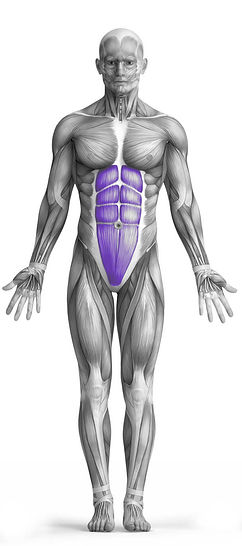

Exercise Synopsis
Target Muscle Group
Abs
Secondary Targets
Execution
Isolation
Force Type
Core
Required Equipment
Medicine Ball
Fitness Level
Intermediate
Variations
Alternatives
Timer
Hour
Minute
Second
Stopwatch
00:00:00:00
Overview
The Assisted Motion Russian Twist is an ab-focused exercise that engages the core while specifically targeting the obliques as a secondary muscle group. Performed with a medicine ball, it involves sitting on the floor with knees bent and feet flat, holding the ball at chest level, and leaning back slightly to activate the core. The movement consists of twisting the torso from side to side, bringing the medicine ball toward the floor beside each hip, which promotes rotational strength, stability, and oblique definition while maintaining controlled engagement of the abdominal muscles throughout the exercise.
How to Perform
Sit on the floor with your knees bent and your feet firmly on the ground.
Grasp a medicine ball with both hands and keep it close to your chest.
Tilt your upper body back slightly to activate your abdominal muscles.
Rotate your torso to the right, lowering the medicine ball toward the outside of your hip.
Return to the center and rotate to the left, moving the medicine ball toward the opposite hip.
Keep alternating sides in a controlled manner for the total number of reps, maintaining core engagement throughout.
★ Bonus: For exercises that involve external weights (such as dumbbells, barbells, or machines), the One Rep Max (1RM) calculator can help you estimate your maximum lifting capacity. Use it to track your strength progress and adjust your training for optimal results.
Tips
Maintain your feet firmly on the floor to stay stable.
Keep your abdominal muscles engaged during the entire movement.
Perform the twists slowly and deliberately to protect your lower back.
How Not to Perform
Don’t lift your feet off the floor, as it reduces stability and shifts tension away from the abs.
Don’t round or slouch your back, which can strain the spine and decrease core activation.
Don’t use momentum or jerk your torso; avoid swinging the medicine ball instead of controlled twisting.
Don’t hold your breath; maintain steady breathing to support core engagement.
Don’t twist only your arms; ensure the rotation comes from your torso to target the obliques.
Don’t overload with a heavy medicine ball that compromises form and control.
Don’t move too quickly; fast repetitions reduce muscle engagement and increase injury risk.
Don’t let your shoulders rise toward your ears; keep them relaxed to focus on the abs.
Variations
Variations of fitness exercises refer to different ways of performing a specific exercise or movement to target various muscle groups, intensities, or goals. These variations aim to challenge the body differently, prevent plateaus, and cater to individuals with varying fitness levels.
Alternatives
Alternative exercises in fitness refer to different movements or activities that target similar muscle groups or serve the same training purpose as the primary exercise. These alternative exercises can be used as substitutes when the original exercise is unavailable or challenging to perform due to various reasons such as equipment limitations, injuries, or personal preferences.
