


Bear Crawl Push-Up 101 Video Tutorial
0

Timer
Hour
Minute
Second
Stopwatch
00:00:00:00
Overview
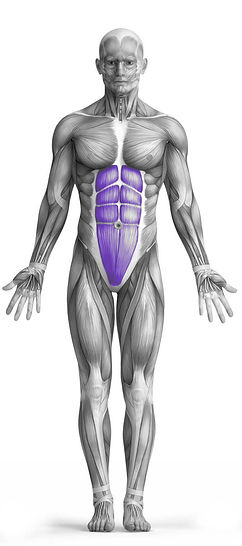
The Bear Crawl Push-Up is a dynamic bodyweight exercise that combines the core-strengthening benefits of the bear crawl with the upper body challenge of a push-up. Primarily targeting the abs, this compound movement also engages secondary muscles, including the chest, shoulders, triceps, quads, and glutes. As you transition between crawling and pushing, your entire body works in unison, making it an excellent exercise for improving core stability, upper body strength, and overall coordination. No equipment is needed, making it a versatile addition to any workout routine.
How to Perform
Start in a Bear Crawl Position:
Begin on all fours with your hands positioned directly under your shoulders and your knees bent at a 90-degree angle, hovering just above the ground.
Keep your back flat and your core engaged. Your head should be aligned with your spine, and your gaze should be focused on the floor in front of you.
Initiate the Crawl:
Begin crawling forward by simultaneously moving your right hand and left foot a small distance forward, followed by your left hand and right foot.
Maintain a steady, controlled movement, keeping your core tight and your back straight throughout the crawl.
Prepare for the Push-Up:
After taking a few steps forward (about 2-3 crawls), pause and position yourself in a high plank with your hands slightly wider than shoulder-width apart and your legs extended straight behind you.
Ensure that your body forms a straight line from your head to your heels, with your core fully engaged.
Perform the Push-Up:
Lower your body towards the ground by bending your elbows, keeping them close to your sides to engage your chest, shoulders, and triceps.
Stop when your chest is just above the ground, then push through your palms to return to the starting high plank position.
Return to Bear Crawl:
After completing the push-up, carefully return to the bear crawl position by bending your knees and lifting them off the ground.
Ensure that your core remains engaged and your back stays flat as you transition back to the crawling position.
Continue the Sequence:
Repeat the sequence by alternating between crawling forward and performing push-ups.
Maintain a controlled pace and focus on proper form throughout the exercise.
Complete the Set:
Perform the desired number of repetitions or continue the bear crawl push-up sequence for a set amount of time.
Focus on breathing steadily, exhaling as you push up and inhaling as you lower your body and crawl.
★ Bonus: For exercises that involve external weights (such as dumbbells, barbells, or machines), the One Rep Max (1RM) calculator can help you estimate your maximum lifting capacity. Use it to track your strength progress and adjust your training for optimal results.
Tips
Begin in a bear crawl position with knees hovering just above the ground.
Engage your core to maintain a flat back and stable body throughout the movement.
Crawl forward by moving opposite hands and feet simultaneously.
Transition into a high plank before performing the push-up.
Keep elbows close to your sides as you lower into the push-up to engage chest, shoulders, and triceps.
Push back up to the high plank position, maintaining a straight body line.
Return to the bear crawl position by bending your knees and lifting them off the ground.
Maintain controlled movements and steady breathing throughout the exercise.
Focus on proper form to maximize the engagement of your abs and secondary muscles.
Perform the exercise in a slow, deliberate manner to avoid compromising technique.
How Not to Perform
Don't Let Your Hips Sag or Rise:
Avoid letting your hips drop or rise during the push-up phase. This can strain your lower back and reduce the engagement of your abs.
Don’t Rush Through the Movements:
Moving too quickly can lead to poor form and increase the risk of injury. Focus on controlled, deliberate movements to fully engage the target muscles.
Don’t Overextend Your Steps in the Crawl:
Taking large steps during the crawl can destabilize your core and shift the focus away from your abs. Keep your steps small and controlled.
Don’t Flare Your Elbows During the Push-Up:
Flaring your elbows out wide can put unnecessary strain on your shoulders and reduce the effectiveness of the push-up. Keep your elbows close to your body.
Don’t Let Your Knees Touch the Ground During the Crawl:
Allowing your knees to drop to the ground reduces the tension on your abs and quads, diminishing the effectiveness of the exercise.
Don’t Lose Core Engagement:
Failing to keep your core engaged throughout the exercise can lead to poor form and place unnecessary strain on your lower back.
Don’t Over-Arch Your Back:
Overarching your back, especially during the push-up, can strain your spine and shift the focus away from your core. Keep your back straight and your core tight.
Don’t Forget to Breathe Properly:
Holding your breath or breathing irregularly can lead to fatigue and reduce the efficiency of your movements. Inhale as you lower your body and exhale as you push up.
Don’t Allow Your Shoulders to Shrug:
Letting your shoulders shrug towards your ears during the crawl or push-up can cause tension in the neck and shoulders. Keep your shoulders down and relaxed.
Don’t Neglect Proper Warm-Up:
Jumping straight into the exercise without a proper warm-up can increase the risk of injury. Ensure your body is warmed up and ready for the movement.
Variations
Variations of fitness exercises refer to different ways of performing a specific exercise or movement to target various muscle groups, intensities, or goals. These variations aim to challenge the body differently, prevent plateaus, and cater to individuals with varying fitness levels.
Alternatives
Alternative exercises in fitness refer to different movements or activities that target similar muscle groups or serve the same training purpose as the primary exercise. These alternative exercises can be used as substitutes when the original exercise is unavailable or challenging to perform due to various reasons such as equipment limitations, injuries, or personal preferences.
