


Double Under 101 Video Tutorial
0
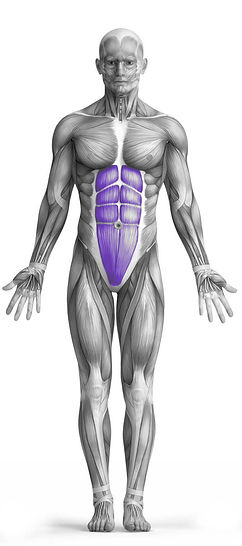

Exercise Synopsis
Target Muscle Group
Abs
Secondary Targets
Execution
Compound
Force Type
Jump (Bilateral)
Required Equipment
Bodyweight
Fitness Level
Intermediate
Variations
None
Alternatives
None
Timer
Hour
Minute
Second
Stopwatch
00:00:00:00
Overview
Double Under is a high-intensity jump rope exercise that primarily targets the abs while also engaging the calves as a secondary muscle group. It involves jumping higher than a standard single under while spinning the rope twice under the feet per jump, requiring coordination, timing, and wrist control. Performed with bodyweight only, it strengthens core stability, improves cardiovascular endurance, and enhances lower-body explosiveness.
How to Perform
Adjust the jump rope so that when one foot is on the middle of the rope, the handles reach just below your armpits.
Keep your elbows close to your body throughout the movement to maintain proper form.
Begin by practicing regular single jumps to get comfortable with timing and rope control.
Maintain an upright posture while jumping, extending through your toes, and use your calves to propel yourself off the ground.
Keep your feet together and positioned slightly in front of your body as you jump.
Spin the rope using only your wrists, avoiding movement from your elbows or shoulders.
Transition to double unders by increasing your jump height and accelerating your wrist rotations.
Perform 3 to 5 sets, adjusting repetitions according to your fitness level.
This exercise can be done after a strength session or independently as a cardio-focused workout.
Focus on rhythm, consistency, and controlled breathing to maximize efficiency and reduce fatigue.
★ Bonus: For exercises that involve external weights (such as dumbbells, barbells, or machines), the One Rep Max (1RM) calculator can help you estimate your maximum lifting capacity. Use it to track your strength progress and adjust your training for optimal results.
Tips
Keep your core tight throughout to stabilize your body and protect your lower back.
Focus on smooth, controlled wrist rotations rather than large arm movements.
Land softly on the balls of your feet to reduce impact on knees and ankles.
Maintain a tall, upright posture to improve jump efficiency and breathing.
Start with short sets and gradually increase duration to build endurance.
Keep your jumps consistent in height to maintain rhythm and rope timing.
Relax your shoulders to avoid unnecessary tension and fatigue.
Use a properly sized rope to prevent tripping and improve speed control.
Incorporate rest periods between rounds to sustain performance quality.
Track wrist speed and jump height to progressively improve double under efficiency.
How Not to Perform
Do not swing your arms from the elbows or shoulders instead of using your wrists.
Do not hunch your torso forward or lean excessively while jumping.
Do not land flat-footed or on your heels; always use the balls of your feet.
Do not jump too low, which can prevent completing the double rotation.
Do not tense your shoulders or arms unnecessarily.
Do not allow your elbows to flare out; keep them close to your body.
Do not hold your breath; maintain steady breathing throughout.
Do not use a rope that is too long or too short for your height.
Do not rush the rotation; focus on controlled wrist speed.
Do not overextend your jumps, which can waste energy and reduce endurance.
Variations
Variations of fitness exercises refer to different ways of performing a specific exercise or movement to target various muscle groups, intensities, or goals. These variations aim to challenge the body differently, prevent plateaus, and cater to individuals with varying fitness levels.
Alternatives
Alternative exercises in fitness refer to different movements or activities that target similar muscle groups or serve the same training purpose as the primary exercise. These alternative exercises can be used as substitutes when the original exercise is unavailable or challenging to perform due to various reasons such as equipment limitations, injuries, or personal preferences.
