


Flexion Leg Sit Up (Straight Arm) 101 Video Tutorial
0
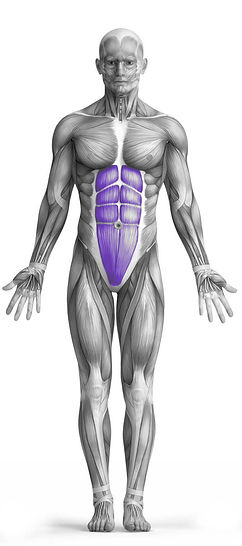

Exercise Synopsis
Target Muscle Group
Abs
Secondary Targets
Execution
Isolation
Force Type
Core
Required Equipment
Bodyweight
Fitness Level
Beginner
Variations
Alternatives
Timer
Hour
Minute
Second
Stopwatch
00:00:00:00
Overview
The Flexion Leg Sit Up (Straight Arm) is a bodyweight abdominal exercise performed on the floor that emphasizes controlled spinal flexion to strengthen the abdominal muscles while also engaging the hip flexors as secondary contributors. With the legs extended and arms held straight toward the ceiling, the long lever created by the arms increases core demand and encourages strict abdominal activation during the lifting and lowering phases. The movement focuses on lifting the torso off the mat using the abs rather than momentum, making it effective for developing core strength, abdominal endurance, and improved mind-muscle connection with the midsection.
How to Perform
Position yourself flat on your back on a mat with your legs fully extended and resting on the floor.
Extend your arms straight upward so they are perpendicular to your torso and remain locked in place.
Brace your core by drawing your ribcage down and tightening your abdominal muscles before initiating the movement.
Slowly curl your upper body off the mat by flexing through the spine, keeping your arms straight and avoiding any swinging or momentum.
Continue lifting until your torso is upright or nearly upright while maintaining control and abdominal tension.
Hold the top position briefly to reinforce core engagement and stability.
Lower your torso back to the mat in a slow, controlled manner, maintaining tension in the abs until your back fully contacts the floor.
★ Bonus: For exercises that involve external weights (such as dumbbells, barbells, or machines), the One Rep Max (1RM) calculator can help you estimate your maximum lifting capacity. Use it to track your strength progress and adjust your training for optimal results.
Tips
Maintain full arm extension from start to finish to increase leverage and sustained abdominal activation.
Tighten your abdominal muscles prior to lifting your torso to establish core stability and control.
Perform each repetition with slow, deliberate motion, ensuring the lift is driven by muscle engagement rather than swinging or jerking.
How Not to Perform
Do not bend or swing the arms forward, as this reduces leverage and shifts tension away from the abdominal muscles.
Do not jerk your torso off the mat or use explosive momentum to initiate the movement.
Do not arch the lower back excessively at the start, which decreases core engagement and increases spinal stress.
Do not pull the neck or lead with the head; the movement should originate from controlled spinal flexion.
Do not rush through repetitions or drop quickly on the way down, as this wastes energy and increases injury risk.
Do not let the abs fully relax at the bottom; losing tension reduces effectiveness and focus on the target muscles.
Do not lift using hip flexor dominance by overextending the legs or bracing through the thighs.
Do not hold your breath throughout the repetition, as this can reduce control and core stability.
Variations
Variations of fitness exercises refer to different ways of performing a specific exercise or movement to target various muscle groups, intensities, or goals. These variations aim to challenge the body differently, prevent plateaus, and cater to individuals with varying fitness levels.
Alternatives
Alternative exercises in fitness refer to different movements or activities that target similar muscle groups or serve the same training purpose as the primary exercise. These alternative exercises can be used as substitutes when the original exercise is unavailable or challenging to perform due to various reasons such as equipment limitations, injuries, or personal preferences.
