


Hanging Alternating Single-Leg Raise 101 Video Tutorial
0
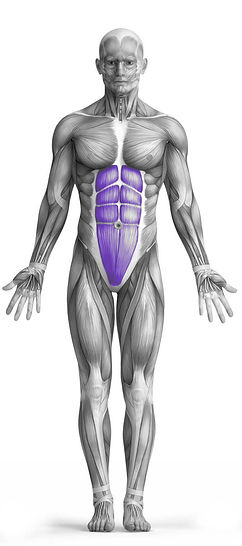

Exercise Synopsis
Target Muscle Group
Abs
Secondary Targets
Execution
Compound
Force Type
Core
Required Equipment
Bodyweight
Fitness Level
Intermediate
Variations
Alternatives
Timer
Hour
Minute
Second
Stopwatch
00:00:00:00
Overview
The Hanging Alternating Single-Leg Raise is an effective bodyweight exercise that targets the abs while also engaging the hip flexors and lats. To perform this exercise, hang from a pull-up bar with an overhand grip and alternately raise one leg at a time towards your chest while keeping the other leg extended and hanging. This movement challenges the core muscles, enhancing abdominal strength and stability, while the hip flexors work to lift the legs. Additionally, the lats are activated as you stabilize your body during the exercise. This dynamic exercise not only builds core strength but also improves overall grip strength and coordination.
How to Perform
Setup: Find a sturdy pull-up bar or any horizontal bar that can support your body weight. Grip the bar with your hands slightly wider than shoulder-width apart, using an overhand grip. Your arms should be fully extended, and your body should be hanging with your feet off the ground.
Body Position: Engage your core and keep your body straight. Ensure that your shoulders are down and away from your ears, and your legs are fully extended with a slight bend in your knees.
Initial Lift: Begin by lifting one leg towards your chest. Focus on using your hip flexors and lower abs to raise the leg. Keep the other leg extended and hanging straight down to maintain balance.
Raise to Parallel: Continue lifting the active leg until it is parallel to the ground or as high as you can comfortably lift it. Avoid swinging or using momentum to perform the lift.
Controlled Descent: Slowly lower the lifted leg back to the starting position, maintaining control throughout the movement. Your core should remain engaged to stabilize your body.
Alternate Legs: After completing the desired number of reps on one leg, switch to the other leg and repeat the movement. Continue alternating legs for the entire set.
Breathing: Inhale as you lower your leg and exhale as you lift it. Maintain a steady and controlled breathing pattern throughout the exercise.
Completion: Once you have completed the set, carefully lower yourself to the ground and release your grip from the bar.
★ Bonus: For exercises that involve external weights (such as dumbbells, barbells, or machines), the One Rep Max (1RM) calculator can help you estimate your maximum lifting capacity. Use it to track your strength progress and adjust your training for optimal results.
Tips
Avoid using excessive swinging or momentum; focus on controlled, deliberate movements.
Keep your core tight to prevent excessive arching of your lower back.
Ensure a full range of motion to maximize engagement of the target muscles.
How Not to Perform
Avoid Excessive Swinging: Do not use momentum to lift your legs. Swinging can shift the focus away from your abs and hip flexors and can strain your shoulders and lower back. Perform the exercise with controlled movements.
Do Not Arch Your Back: Avoid excessive arching of the lower back as you lift your legs. This can put undue stress on your spine and reduce the effectiveness of the exercise on your abs. Keep your core engaged and maintain a neutral spine position.
Do Not Use Only Hip Flexors: Ensure you are engaging your abs along with your hip flexors. Relying solely on the hip flexors can lead to imbalanced development and potential strain. Focus on using your core muscles to assist in lifting your legs.
Avoid Incorrect Leg Positioning: Do not let your legs drift too far apart or bend excessively. Keep your legs extended and close together to maximize the engagement of your abs and hip flexors. A consistent leg position helps in isolating the target muscles.
Do Not Overextend Your Range of Motion: Avoid lifting your leg too high or forcing it to an uncomfortable position. Overextending can lead to lower back strain and diminish the effectiveness of the exercise. Lift your leg to a comfortable parallel position with controlled movement.
Avoid Holding Your Breath: Do not hold your breath during the exercise. Ensure a steady breathing pattern by inhaling as you lower your leg and exhaling as you lift it. Proper breathing helps maintain core stability and reduces the risk of injury.
Do Not Neglect Shoulder Position: Ensure your shoulders are not hunched or shrugged up towards your ears. This can lead to shoulder strain. Keep your shoulders down and away from your ears throughout the exercise.
Avoid Rushing the Exercise: Do not perform the exercise too quickly. Rushing can lead to poor form and reduced muscle engagement. Focus on controlled, deliberate movements to maximize the effectiveness of the exercise.
Variations
Variations of fitness exercises refer to different ways of performing a specific exercise or movement to target various muscle groups, intensities, or goals. These variations aim to challenge the body differently, prevent plateaus, and cater to individuals with varying fitness levels.
Alternatives
Alternative exercises in fitness refer to different movements or activities that target similar muscle groups or serve the same training purpose as the primary exercise. These alternative exercises can be used as substitutes when the original exercise is unavailable or challenging to perform due to various reasons such as equipment limitations, injuries, or personal preferences.
