


One Arm Slam (With Medicine Ball) 101 Video Tutorial
0

Exercise Synopsis
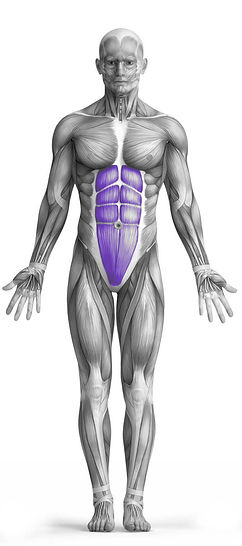
Target Muscle Group
Abs
Secondary Targets
Execution
Compound
Force Type
Core
Required Equipment
Medicine Ball
Fitness Level
Intermediate
Variations
Timer
Hour
Minute
Second
Stopwatch
00:00:00:00
Overview
The One Arm Slam with a medicine ball is a dynamic core exercise that primarily targets the abs while engaging the obliques as secondary muscles. Using a medicine ball, you lift it overhead with one hand, engaging your core, and forcefully slam it to the ground on the opposite side, following through and catching the rebound. This movement develops core strength, rotational power, and explosive force, while also improving coordination and overall stability.
How to Perform
Position your feet about shoulder-width apart and hold the medicine ball in one hand.
Raise the ball above your head on the same side, keeping your core tight and engaged.
Powerfully slam the ball down toward the ground on the opposite side, using your core and oblique muscles.
Allow the ball to bounce and control it as you catch it, maintaining stability throughout the movement.
Continue for the planned number of repetitions, then switch to the other arm and repeat.
★ Bonus: For exercises that involve external weights (such as dumbbells, barbells, or machines), the One Rep Max (1RM) calculator can help you estimate your maximum lifting capacity. Use it to track your strength progress and adjust your training for optimal results.
Tips
Keep your core tight and activated for the entire exercise.
Stand tall and maintain proper alignment while slamming the ball.
Progress to a heavier medicine ball to increase intensity when ready.
How Not to Perform
Don’t arch or round your back while slamming the ball.
Don’t use your arms alone to throw the ball; engage your core and obliques.
Don’t stand with feet too close or too wide, which can reduce balance and stability.
Don’t rush the movement; maintain control on both the slam and the rebound.
Don’t lift a ball that is too heavy before mastering proper form.
Don’t twist your knees or hips excessively, which can strain joints.
Don’t let the ball bounce unpredictably; control the catch to maintain focus on the muscles.
Don’t forget to switch arms to work both sides evenly.
Variations
Variations of fitness exercises refer to different ways of performing a specific exercise or movement to target various muscle groups, intensities, or goals. These variations aim to challenge the body differently, prevent plateaus, and cater to individuals with varying fitness levels.
Alternatives
Alternative exercises in fitness refer to different movements or activities that target similar muscle groups or serve the same training purpose as the primary exercise. These alternative exercises can be used as substitutes when the original exercise is unavailable or challenging to perform due to various reasons such as equipment limitations, injuries, or personal preferences.
