


Turkish Get Up to Knee 101 Video Tutorial
0

Exercise Synopsis
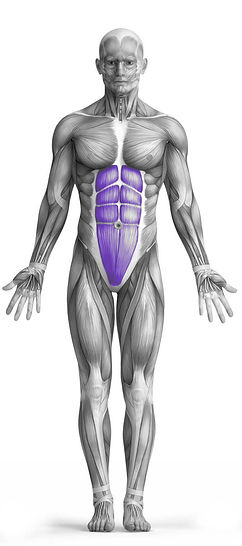
Target Muscle Group
Abs
Secondary Targets
Execution
Compound
Force Type
Push (Bilateral)
Required Equipment
Kettlebell
Fitness Level
Intermediate
Variations
None
Alternatives
None
Timer
Hour
Minute
Second
Stopwatch
00:00:00:00
Overview
The "Turkish Get Up to Knee" is a functional exercise that targets the abs while engaging multiple muscle groups, including the adductors, glutes, hamstrings, quads, shoulders, and upper back. This movement emphasizes core stability, coordination, and balance as you transition from lying to a kneeling position while maintaining control of a kettlebell overhead. The exercise is excellent for building strength, improving mobility, and enhancing overall body awareness. Its dynamic nature makes it a versatile addition to strength training routines, particularly for those looking to strengthen their core and improve shoulder stability. Proper form and gradual progression with weight are crucial for safety and effectiveness.
How to Perform
Begin by lying on your side with the kettlebell positioned near your chest. Hold the kettlebell in one hand in a front-rack position, overlapping your other hand on the handle for stability.
Roll onto your back while firmly gripping the kettlebell. Press it upward with one arm until it is fully extended overhead.
Stretch your free arm out to the side for balance. Bend the knee on the same side as the kettlebell (e.g., if the kettlebell is in your right hand, bend your right knee).
Engage your core and sit up onto your opposite elbow while driving the kettlebell upward, maintaining control of its position.
Straighten your supporting arm by pressing through the elbow to rise onto your hand, creating a stable base.
Lift your hips off the ground into a bridge position, ensuring one leg remains extended while the other supports your movement.
Sweep your extended leg under your body and position it behind you, moving into a half-kneeling stance. Keep one hand on the ground and the kettlebell securely overhead.
Adjust your torso to an upright position and reposition your rear leg to align with your forward leg, ensuring a stable kneeling posture.
To return to the starting position, reverse the sequence of movements step by step, carefully lowering yourself back to the ground with the kettlebell controlled at all times.
Repeat the entire process for the desired number of repetitions, alternating sides to ensure balanced development.
★ Bonus: For exercises that involve external weights (such as dumbbells, barbells, or machines), the One Rep Max (1RM) calculator can help you estimate your maximum lifting capacity. Use it to track your strength progress and adjust your training for optimal results.
Tips
Keep your eyes fixed on the kettlebell throughout the entire movement. As you gain confidence and mastery, you may shift your gaze forward once in the half-kneeling position, but it’s best to concentrate on the weight overhead when starting.
Begin with a very light weight or no weight at all if you’re new to the exercise. A small object like a shoe or ball can help you practice the movement pattern safely.
For the initial sit-up phase, think of the phrase "punch and crunch" to guide you. This helps create a powerful and controlled motion as you press the kettlebell upward.
The Turkish Get Up is often utilized as a corrective movement or a warm-up drill, though it can also be adapted for general fitness programs to enhance strength and mobility.
Grip the kettlebell handle firmly throughout the exercise. This tight grip improves shoulder stability and helps you maintain control over the weight.
How Not to Perform
Avoid Rushing Through the Movements
Performing the exercise too quickly can lead to poor form and increase the risk of injury. Focus on controlled, deliberate movements to ensure proper muscle engagement and balance.
Do Not Lose Focus on the Kettlebell
Always keep your eyes on the kettlebell, especially as you transition between positions. Losing focus can cause instability and put unnecessary strain on your shoulder.
Don’t Start with Heavy Weights
Using a kettlebell that’s too heavy can compromise your form and increase the risk of injury. Begin with a manageable weight or no weight at all when learning the technique.
Avoid Overarching or Slouching the Lower Back
Maintain a neutral spine throughout the exercise. Overarching or rounding your lower back can lead to discomfort and strain, particularly during transitions like the sit-up or bridge.
Do Not Neglect Shoulder Stability
Ensure the kettlebell remains stable and directly above your shoulder at all times. Allowing it to wobble or drift forward or backward places undue stress on the joint.
Avoid Skipping the Bridge Step
Skipping the hip bridge can reduce the effectiveness of the exercise and place unnecessary strain on your back. Engage your glutes and core to lift your hips fully during this step.
Don’t Allow Your Free Arm or Leg to Flail
Keep your free arm extended on the ground and your free leg grounded or straight in alignment. Uncontrolled movements can throw off your balance and waste energy.
Do Not Ignore Breathing
Holding your breath can increase tension and reduce efficiency. Breathe steadily and match your breathing pattern to each phase of the exercise to maintain control.
Avoid Misalignment in the Half-Kneeling Position
Ensure your rear leg aligns with your forward leg in the half-kneeling stance. Poor alignment can reduce stability and lead to ineffective transitions.
Don’t Neglect Core Engagement
Failing to engage your core can shift the focus away from the target muscles and compromise balance. Keep your core braced throughout the movement for maximum effectiveness.
Variations
Variations of fitness exercises refer to different ways of performing a specific exercise or movement to target various muscle groups, intensities, or goals. These variations aim to challenge the body differently, prevent plateaus, and cater to individuals with varying fitness levels.
Alternatives
Alternative exercises in fitness refer to different movements or activities that target similar muscle groups or serve the same training purpose as the primary exercise. These alternative exercises can be used as substitutes when the original exercise is unavailable or challenging to perform due to various reasons such as equipment limitations, injuries, or personal preferences.
