


Band One Arm Standing Low Row 101 Video Tutorial
0

Exercise Synopsis
Target Muscle Group
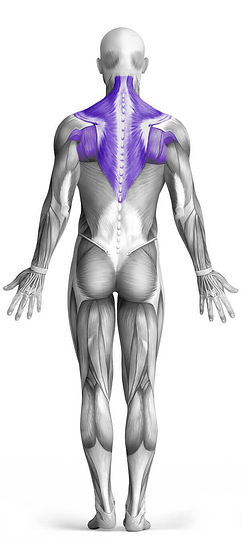
Upper Back
Secondary Targets
Execution
Compound
Force Type
Pull
Required Equipment
Band
Fitness Level
Beginner
Variations
None
Alternatives
Timer
Hour
Minute
Second
Stopwatch
00:00:00:00
Overview
The Band One Arm Standing Low Row is a compound pull exercise that targets the upper back while also engaging the biceps as a secondary muscle. Using a resistance band, this movement mimics a traditional low row by pulling the band towards the torso in a controlled motion, helping to develop back strength and improve posture. The standing position requires core stability, making it an effective functional exercise for overall upper body strength. It is a versatile and accessible option for those looking to build back muscles without the need for heavy gym equipment.
How to Perform
Secure the Band: Step firmly on one end of the resistance band with your foot, ensuring it stays in place. Use the hand on the same side as your planted foot to grip the other end of the band.
Set Your Stance: Stand with your feet about shoulder-width apart, keeping your back straight and your core engaged. Maintain a slight bend in your knees to ensure balance and stability throughout the movement.
Initiate the Row: Pull the band toward your waist in a smooth, controlled motion. Keep your elbow close to your torso as you contract your upper back muscles, focusing on proper form and engagement.
Controlled Return: Slowly extend your arm back to the starting position, resisting the pull of the band to maintain control. Avoid letting the band snap back, ensuring a steady and deliberate motion.
Repeat and Switch Sides: Perform the desired number of repetitions while maintaining consistent form. Once completed, switch to the other arm and repeat the same movement to ensure balanced muscle development.
★ Bonus: For exercises that involve external weights (such as dumbbells, barbells, or machines), the One Rep Max (1RM) calculator can help you estimate your maximum lifting capacity. Use it to track your strength progress and adjust your training for optimal results.
Tips
Grip the Band Correctly: Hold the band with your palm facing inward, ensuring a secure yet relaxed grip. Avoid clenching too tightly to prevent unnecessary strain on your wrist. The grip should feel firm but natural.
Maintain Proper Posture: Stand tall with your chest lifted and back straight. Avoid rounding your shoulders or slouching, as poor posture can lead to discomfort or injury. Keep your core engaged to help stabilize your body throughout the movement.
Perform Slow, Controlled Reps: Focus on executing the movement with control rather than relying on momentum. Pull the band toward your waist using your back and arm muscles, rather than jerking or rushing the motion.
Pause at the Peak: Once your elbow moves just past your torso, hold the position for a brief moment to maximize muscle engagement. This slight pause helps strengthen the upper back and improves muscle activation.
How Not to Perform
Avoid Using Momentum: Do not jerk or swing your body to pull the band. Focus on a controlled, steady motion to keep tension on the upper back and avoid shifting the workload to other muscles.
Do Not Round Your Back: Keep your spine neutral and your chest lifted. Rounding your back can lead to strain and reduce the effectiveness of the exercise.
Don’t Grip Too Tightly: Holding the band too tightly can strain your wrist and forearm, taking focus away from the upper back. Keep a firm but relaxed grip.
Do Not Shrug Your Shoulders: Avoid lifting your shoulders towards your ears while pulling the band. This shifts tension to the traps instead of properly engaging the upper back.
Don’t Let the Band Snap Back: Lower the band back to the starting position slowly and with control. Letting it snap back reduces tension on the muscles and increases the risk of injury.
Avoid Twisting Your Torso: Keep your core stable and squared forward. Rotating your body shifts focus away from the upper back and can cause strain.
Do Not Overextend the Elbow: Pulling the band too far back can lead to unnecessary joint stress. Stop when your elbow is just past your torso for optimal engagement.
Don’t Lock Your Knees: Keep a slight bend in your knees to maintain balance and reduce strain on your lower back.
Avoid Improper Band Placement: Ensure the band is securely anchored under your foot to prevent it from slipping, which could cause injury.
Do Not Rush Repetitions: Performing the exercise too fast reduces muscle engagement and effectiveness. Move in a slow, controlled manner to maximize the benefits.
Variations
Variations of fitness exercises refer to different ways of performing a specific exercise or movement to target various muscle groups, intensities, or goals. These variations aim to challenge the body differently, prevent plateaus, and cater to individuals with varying fitness levels.
Alternatives
Alternative exercises in fitness refer to different movements or activities that target similar muscle groups or serve the same training purpose as the primary exercise. These alternative exercises can be used as substitutes when the original exercise is unavailable or challenging to perform due to various reasons such as equipment limitations, injuries, or personal preferences.
