


Bodyweight Standing One Arm Row 101 Video Tutorial
0

Exercise Synopsis
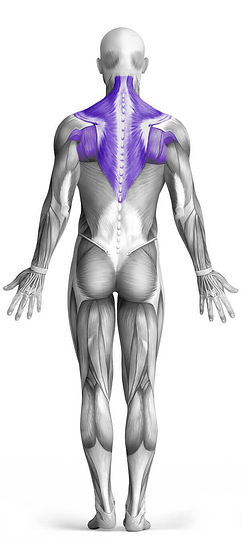
Target Muscle Group
Upper Back
Execution
Compound
Force Type
Pull
Required Equipment
Bodyweight
Fitness Level
Beginner
Variations
Alternatives
Timer
Hour
Minute
Second
Stopwatch
00:00:00:00
Overview
The Bodyweight Standing One-Arm Row is a highly effective exercise targeting the upper back, with secondary engagement of the biceps, forearms, obliques, and traps. Performed without any equipment, this exercise requires only bodyweight for resistance, making it accessible and versatile. By pulling one arm back while standing, the movement challenges the upper back muscles to contract and stabilize the body, while the secondary muscles assist in gripping, balancing, and supporting the row. This compound exercise not only strengthens the upper body but also promotes core stability, making it a great functional movement for overall strength development.
How to Perform
Start by extending one arm and grasping the edge of a stable surface like a table or desk. Ensure your body stays straight, with your feet planted firmly on the floor for balance.
Using only your arm and back muscles, pull your body toward the surface, keeping your elbow close to your side. Focus on engaging your upper back and biceps as you row your body in.
Slowly lower your body back to the starting position, maintaining control and muscle tension throughout the movement. Be mindful not to let your body sag or lose proper alignment.
Complete the desired number of repetitions on one side before switching to the opposite arm. Keep your core engaged throughout the entire exercise to support stability.
★ Bonus: For exercises that involve external weights (such as dumbbells, barbells, or machines), the One Rep Max (1RM) calculator can help you estimate your maximum lifting capacity. Use it to track your strength progress and adjust your training for optimal results.
Tips
Focus on Control: Avoid speeding through the movement or relying on momentum to complete the pull. Instead, concentrate on executing the movement slowly and deliberately. This approach minimizes the risk of injury and ensures that the correct muscles are activated.
Activate the Proper Muscles: Be mindful of engaging your back muscles, particularly the lats, while pulling yourself upward. A frequent error is relying too much on your arm and shoulder muscles, which can lead to strain. To maximize effectiveness, visualize pulling your elbow back toward your hip to better target the back.
Maintain Proper Range of Motion: Avoid overextending during the exercise. Keeping your range of motion in check ensures that you don't compromise your form or risk overstretching. Focus on controlled, deliberate movements to get the best results from the exercise.
How Not to Perform
Avoid Using Momentum: Do not swing your body or jerk your arm to pull yourself up. Relying on momentum reduces the effectiveness of the exercise and can lead to unnecessary strain on your muscles. Focus on slow, controlled movements to properly target your upper back and avoid wasting energy.
Don't Overuse Your Biceps and Shoulders: Avoid relying too heavily on your biceps or shoulder muscles to complete the row. This can lead to muscle imbalances and potential injury. Instead, concentrate on engaging your back muscles, especially your lats, by thinking of pulling your elbow back toward your hip.
Keep Your Elbow Too Far Out: Do not allow your elbow to flare out away from your body. This can put undue stress on the shoulder joint and reduce the effectiveness of the exercise. Keep your elbow close to your torso throughout the movement to better engage the upper back.
Avoid Arching Your Back: Do not arch your lower back excessively or allow your body to sag during the movement. This can cause strain on your spine and decrease core activation. Keep your body aligned in a straight line, engaging your core to maintain stability.
Do Not Rush the Repetition: Moving too quickly through the exercise can lead to improper form and less effective muscle engagement. Instead, focus on slow and deliberate movements, ensuring you're targeting the upper back muscles and not wasting energy.
Don't Neglect Your Core: Failing to engage your core can lead to poor posture and wasted energy. Maintain a strong, stable core to support your body and prevent unnecessary strain on your lower back and other muscles.
Avoid Overextending: Do not overextend your arm during the downward phase. This can lead to shoulder strain and reduce the control you have over the movement. Maintain a comfortable range of motion to maximize the effectiveness of the exercise.
Variations
Variations of fitness exercises refer to different ways of performing a specific exercise or movement to target various muscle groups, intensities, or goals. These variations aim to challenge the body differently, prevent plateaus, and cater to individuals with varying fitness levels.
Alternatives
Alternative exercises in fitness refer to different movements or activities that target similar muscle groups or serve the same training purpose as the primary exercise. These alternative exercises can be used as substitutes when the original exercise is unavailable or challenging to perform due to various reasons such as equipment limitations, injuries, or personal preferences.
