


Bodyweight Standing Row 101 Video Tutorial
0

Exercise Synopsis
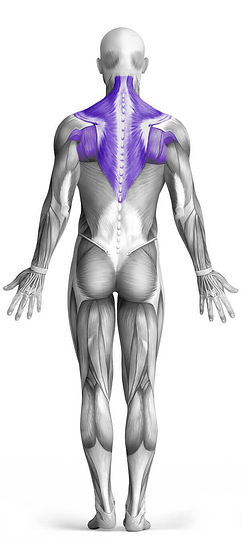
Target Muscle Group
Upper Back
Execution
Compound
Force Type
Pull (Bilateral)
Required Equipment
Bodyweight
Fitness Level
Intermediate
Variations
Alternatives
Timer
Hour
Minute
Second
Stopwatch
00:00:00:00
Overview
The Bodyweight Standing Row is a compound pull exercise that primarily targets the upper back, while also engaging the biceps and forearms for support. This exercise requires no equipment beyond a sturdy surface, such as a bar, rings, or even a table edge, making it an accessible option for building upper-body strength. By pulling the body toward the anchor point while maintaining a controlled motion, it improves back engagement, grip strength, and overall pulling mechanics. Ideal for beginners and advanced trainees alike, this movement enhances posture and muscular endurance without the need for external weights.
How to Perform
Find a Sturdy Anchor
Stand in front of a secure, waist-height surface like a bar, rings, TRX straps, or a table edge. Ensure it can support your weight without moving.
Grip the Surface
Grab the bar or edge with an overhand grip (palms facing down) or an underhand grip (palms facing up) if you want more biceps activation. Your hands should be shoulder-width apart.
Position Your Body
Step back so your body is at a slight incline, keeping your feet planted firmly on the ground. The more you lean back, the more challenging the exercise becomes.
Engage Your Core and Keep a Straight Line
Tighten your core and glutes, ensuring your body stays in a straight line from your head to your heels. Avoid arching your lower back or letting your hips drop.
Pull Yourself Up
Initiate the movement by pulling your shoulder blades back and down, then use your arms to pull your chest toward the bar in a controlled motion. Keep your elbows close to your body.
Squeeze at the Top
Once your chest reaches the bar (or as close as possible), pause and squeeze your upper back muscles for a second to maximize engagement.
Lower Yourself Slowly
Lower your body slowly and with control, fully extending your arms without losing tension in your back.
Repeat for Desired Repetitions
Perform the movement for the set number of repetitions while maintaining good form.
Adjust Difficulty as Needed
Easier: Stand more upright to reduce resistance.
Harder: Lean back further or elevate your feet to increase difficulty.
★ Bonus: For exercises that involve external weights (such as dumbbells, barbells, or machines), the One Rep Max (1RM) calculator can help you estimate your maximum lifting capacity. Use it to track your strength progress and adjust your training for optimal results.
Tips
Maintain a Straight Body Line – Keep your core engaged and avoid arching your lower back or sagging your hips.
Control the Movement – Pull yourself up smoothly and lower yourself slowly to maximize muscle activation.
Engage Your Shoulder Blades – Retract your scapula (pull shoulder blades back and down) before initiating the pull.
Keep Elbows Close – Avoid flaring your elbows out to ensure proper upper-back engagement.
Adjust Your Angle for Difficulty – The more you lean back, the harder the exercise becomes; stand more upright for an easier version.
Use a Firm Grip – Hold onto the bar, rings, or table edge securely to prevent slipping and improve forearm activation.
Pause at the Top – Briefly squeeze your upper-back muscles when your chest reaches the anchor point for better contraction.
Maintain Steady Breathing – Inhale while lowering yourself, and exhale as you pull up.
Ensure a Stable Anchor – Make sure the bar, table, or straps you are pulling against are secure and can support your weight.
Avoid Using Momentum – Focus on slow, controlled reps rather than jerky movements to prevent strain and maximize effectiveness.
How Not to Perform
Do Not Arch or Sag Your Back – Keep your body in a straight line from head to heels to avoid straining your lower back.
Do Not Use Momentum – Avoid jerking or swinging your body to pull yourself up; focus on controlled, smooth movements to engage the upper back properly.
Do Not Let Your Hips Drop – Keep your core engaged to prevent your hips from sagging, which reduces back activation and increases lower-back strain.
Do Not Flare Your Elbows – Keep your elbows close to your sides to maintain proper upper-back engagement and avoid unnecessary shoulder strain.
Do Not Rush the Reps – Lower yourself slowly instead of dropping down quickly, which minimizes tension on the target muscles and increases injury risk.
Do Not Grip Too Loosely – Maintain a firm grip to prevent slipping and to ensure proper forearm and biceps activation.
Do Not Shrug Your Shoulders – Avoid excessive shoulder elevation; instead, focus on pulling with your upper back by retracting your shoulder blades.
Do Not Hold Your Breath – Maintain a steady breathing pattern by inhaling while lowering and exhaling as you pull up to improve performance and endurance.
Do Not Position Your Feet Incorrectly – Avoid standing too upright or too far back; adjust your angle based on your strength level to maximize effectiveness.
Do Not Use an Unstable Anchor – Ensure the surface, bar, or straps you’re pulling against are secure to prevent accidents and ensure safe execution.
Variations
Variations of fitness exercises refer to different ways of performing a specific exercise or movement to target various muscle groups, intensities, or goals. These variations aim to challenge the body differently, prevent plateaus, and cater to individuals with varying fitness levels.
Alternatives
Alternative exercises in fitness refer to different movements or activities that target similar muscle groups or serve the same training purpose as the primary exercise. These alternative exercises can be used as substitutes when the original exercise is unavailable or challenging to perform due to various reasons such as equipment limitations, injuries, or personal preferences.
