


Dumbbell Reverse Grip Incline Bench One Arm Row 101 Video Tutorial
0
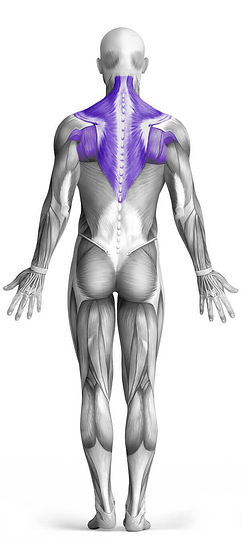

Exercise Synopsis
Target Muscle Group
Upper Back
Execution
Compound
Force Type
Pull
Required Equipment
Dumbbell
Fitness Level
Intermediate
Variations
None
Alternatives
Timer
Hour
Minute
Second
Stopwatch
00:00:00:00
Overview
The Dumbbell Reverse Grip Incline Bench One Arm Row is a compound pull exercise that primarily targets the upper back, while also engaging the lats and biceps as secondary muscles. Performed on an incline bench, this variation utilizes a reverse grip, which emphasizes greater activation of the biceps and promotes a stronger contraction in the upper back. The incline bench provides support, reducing momentum and allowing for controlled, strict form throughout the movement. This exercise is ideal for building upper back strength, improving posture, and enhancing pulling power while minimizing strain on the lower back.
How to Perform
Set the incline bench at a moderate angle, around 45 degrees, to ensure proper form and comfort during the exercise.
Place a dumbbell on the floor near the head of the bench, ready for easy access.
Lie face down on the bench, ensuring your chest and stomach are in contact with the surface. Keep your feet flat on the ground for stability.
Reach down with your right hand to grip the dumbbell using a reverse grip (palm facing upward).
Bend your right knee and place it on the bench for added support, while your right arm and the dumbbell rest on the bench.
Maintain a stable torso and, with control, raise the dumbbell toward your chest. Focus on squeezing your shoulder blades together and keep your elbow close to your body throughout the movement.
At the peak of the motion, hold for a brief moment to enhance the contraction in your back muscles, ensuring full engagement of the upper back and lats.
Slowly lower the dumbbell back down to the starting position, maintaining control and avoiding any jerky movements.
Complete the desired number of repetitions on your right side.
Once finished, switch to your left arm and repeat the exercise following the same steps for balanced development.
★ Bonus: For exercises that involve external weights (such as dumbbells, barbells, or machines), the One Rep Max (1RM) calculator can help you estimate your maximum lifting capacity. Use it to track your strength progress and adjust your training for optimal results.
Tips
Keep your posture correct throughout the exercise by ensuring your back stays straight and your shoulders are retracted.
Activate your core by drawing your belly button inward toward your spine, providing stability and support.
Perform each rowing motion in a smooth and controlled manner, avoiding any abrupt jerks or swinging that could interfere with form.
Focus on fully retracting your shoulder blade during the row, emphasizing the contraction in your upper back muscles.
Exhale as you lift the dumbbell toward your chest, and inhale as you lower it back to the starting position.
Begin with a manageable weight that allows you to complete the exercise with proper form. Gradually increase the weight as your strength improves.
Perform the movement deliberately and slowly to fully activate the target muscles, reducing the risk of injury and ensuring maximum muscle engagement.
Adjust the bench to an incline that allows for a full range of motion, ensuring your arm can extend properly for optimal effectiveness.
Incorporate this exercise into a balanced back workout routine to target various muscles from different angles and improve overall back strength.
Allow adequate rest between sets for muscle recovery, but avoid prolonged breaks to maintain the intensity of your workout.
How Not to Perform
Avoid Arching Your Back: Do not overarch your back during the exercise, as this can place unnecessary strain on your lower back. Keep your torso neutral and engaged to protect your spine.
Don’t Use Momentum: Avoid swinging your body or using momentum to lift the dumbbell. Focus on controlled movements to ensure the target muscles are being worked effectively.
Don’t Let Your Elbow Flare Out: Keep your elbow close to your body during the rowing motion. Flared elbows reduce activation of the upper back and place more strain on the shoulders.
Don’t Rush the Movement: Avoid performing the row too quickly. Rushed movements can reduce muscle engagement and increase the risk of injury. Focus on slow, deliberate motion to maximize activation.
Avoid Shrugging Your Shoulders: Don’t allow your shoulders to shrug up towards your ears as you row the dumbbell. This shifts the focus away from the target muscles and can lead to shoulder tension.
Don’t Lock Your Knees: Ensure your knees remain slightly bent and your legs stable on the ground. Locking your knees can cause discomfort and prevent proper support throughout the movement.
Don’t Use Excessive Weight: Avoid using a weight that is too heavy for you, as it may lead to improper form or cause you to rely on momentum. Start with a manageable weight to maintain control.
Don’t Neglect Your Core: Failing to engage your core can compromise your posture and lead to back strain. Keep your core tight throughout the exercise for better stability and injury prevention.
Don’t Shorten Your Range of Motion: Avoid cutting the movement short. Ensure that you extend your arm fully at the bottom and bring the dumbbell up toward your chest for a complete range of motion.
Don’t Overextend Your Arm: Avoid overstretching your arm at the bottom of the movement. This can place unnecessary stress on the shoulder joint and reduce the effectiveness of the exercise. Keep a controlled range of motion.
Variations
Variations of fitness exercises refer to different ways of performing a specific exercise or movement to target various muscle groups, intensities, or goals. These variations aim to challenge the body differently, prevent plateaus, and cater to individuals with varying fitness levels.
Alternatives
Alternative exercises in fitness refer to different movements or activities that target similar muscle groups or serve the same training purpose as the primary exercise. These alternative exercises can be used as substitutes when the original exercise is unavailable or challenging to perform due to various reasons such as equipment limitations, injuries, or personal preferences.
