


Foam Roll Lats 101 Video Tutorial
0

Exercise Synopsis
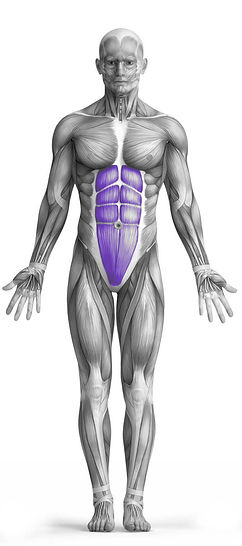
Target Muscle Group
Abs
Secondary Targets
Execution
Isolation
Force Type
Stretch
Required Equipment
Roller
Fitness Level
Intermediate
Variations
None
Alternatives
Timer
Hour
Minute
Second
Stopwatch
00:00:00:00
Overview
Foam Roll Lats is a mobility and myofascial release exercise that primarily engages the abs for core stabilization while targeting the lats for tension relief and increased flexibility. Using a foam roller placed horizontally along the side of the back near the shoulder, the exerciser supports the body with the opposite hand and bends the front leg for balance. By slowly rolling down the side of the back toward the hip and returning upward, the exercise massages the lat muscles, helps release tightness, and promotes better shoulder and thoracic mobility. Maintaining core engagement throughout ensures stability and control, while lingering on tender spots and following up with a static lat stretch enhances flexibility and recovery.
How to Perform
Lie on one side and position the foam roller horizontally under the upper side of your back, near the shoulder blade. Extend the top arm straight and rotate the thumb upward to externally rotate the shoulder. Place the opposite hand on the floor for support and bend the front leg for stability.
Tighten your core muscles to keep your body steady, then slowly roll the foam roller down along the side of your back toward the hip. When you reach the rib area, reverse direction and roll back up to the starting point.
Continue this controlled rolling motion for 30 to 60 seconds, then switch to the other side.
If you encounter any tight or sore spots, pause over them for a few seconds while taking slow, deep breaths through your nose to release tension.
To enhance flexibility and further stretch the lats, follow this exercise with a 30-second static lat stretch immediately after rolling.
Focus on smooth, deliberate movements throughout, avoiding any sudden or jerky motions to prevent discomfort or injury.
★ Bonus: For exercises that involve external weights (such as dumbbells, barbells, or machines), the One Rep Max (1RM) calculator can help you estimate your maximum lifting capacity. Use it to track your strength progress and adjust your training for optimal results.
Tips
Keep your core engaged throughout to maintain stability and control.
Move slowly and deliberately to maximize muscle release and prevent injury.
Breathe deeply and consistently, especially when pausing on tight spots.
Avoid letting your body sag or collapse; maintain proper alignment.
Focus on feeling the lat muscle working, not just rolling the foam roller.
Spend extra time on tender areas, but avoid excessive pressure that causes pain.
Keep the opposite hand and front leg firmly planted for balance.
Pair with a static lat stretch after rolling to improve flexibility.
Avoid rolling too quickly, as it reduces effectiveness and may irritate muscles.
Incorporate regularly into warm-ups or recovery sessions for better shoulder mobility and lat release.
How Not to Perform
Do not let your hips sag or rotate, which reduces core engagement and stability.
Do not roll too quickly, as it lessens the muscle release effect and can cause discomfort.
Do not hold your breath; lack of breathing limits relaxation and muscle release.
Do not place excessive pressure on the foam roller that causes sharp pain.
Do not neglect stabilizing with the opposite hand and front leg, which can lead to imbalance.
Do not arch or twist the back unnaturally, which can strain the spine.
Do not skip lingering on tight spots, as it reduces the effectiveness of muscle release.
Do not use this exercise as a strength movement; focus on mobility and release instead.
Do not ignore proper shoulder positioning; external rotation is essential for targeting the lats.
Do not perform on a hard or unstable surface that compromises balance and safety.
Variations
Variations of fitness exercises refer to different ways of performing a specific exercise or movement to target various muscle groups, intensities, or goals. These variations aim to challenge the body differently, prevent plateaus, and cater to individuals with varying fitness levels.
Alternatives
Alternative exercises in fitness refer to different movements or activities that target similar muscle groups or serve the same training purpose as the primary exercise. These alternative exercises can be used as substitutes when the original exercise is unavailable or challenging to perform due to various reasons such as equipment limitations, injuries, or personal preferences.
