


Straight-Leg Sit-Up 101 Video Tutorial
0
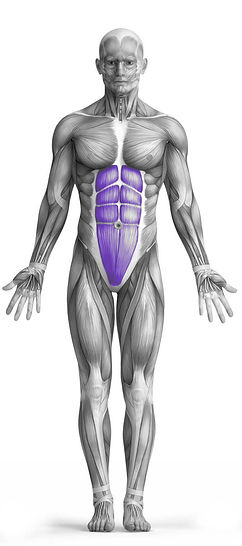

Exercise Synopsis
Target Muscle Group
Abs
Secondary Targets
Execution
Isolation
Force Type
Core
Required Equipment
Bodyweight
Fitness Level
Intermediate
Variations
None
Alternatives
Timer
Hour
Minute
Second
Stopwatch
00:00:00:00
Overview
The Straight-Leg Sit-Up is a core-strengthening exercise designed to primarily target the rectus abdominis, the main muscle of the abdomen. This exercise also engages the hip flexors as secondary muscles to assist in the movement. Performed with body weight alone, it involves lying flat on your back with legs extended straight and lifting your upper body towards your legs, thereby isolating and activating the abdominal muscles. The Straight-Leg Sit-Up is effective for building core strength and enhancing overall abdominal endurance without the need for additional equipment.
How to Perform
Position Setup: Begin by lying flat on your back on a mat or the floor, with your arms extended straight above your head and your legs kept straight. Engage your core by drawing your navel toward your spine to stabilize your torso. This is your starting position.
Initiate Movement: With your feet firmly on the floor and legs straight, slowly lift your head, shoulder blades, and upper back off the ground. Focus on using your abdominal muscles to drive the movement, rather than relying on your arms to pull yourself up.
Complete the Sit-Up: As you lift your torso, reach forward with your hands towards your toes. Aim to touch or get close to your toes. Once you reach the peak of the sit-up, gradually lower your torso back to the starting position while maintaining control throughout the movement.
Repetition: Perform the desired number of repetitions, ensuring that each lift and lower is controlled and steady. Engage your core throughout to maximize effectiveness and minimize strain on the lower back.
★ Bonus: For exercises that involve external weights (such as dumbbells, barbells, or machines), the One Rep Max (1RM) calculator can help you estimate your maximum lifting capacity. Use it to track your strength progress and adjust your training for optimal results.
Tips
Engage Your Core: Before starting, engage your core muscles to ensure proper activation throughout the exercise.
Maintain Form: Keep your back flat on the ground and avoid arching or straining your lower back.
Controlled Movement: Perform each rep slowly and with control to maximize muscle engagement and reduce risk of injury.
Avoid Using Momentum: Focus on using your abdominal muscles to lift your torso rather than swinging your arms or using your legs.
Breathing: Breathe out as you lift and in as you lower your body to maintain a steady rhythm and proper oxygen flow.
Foot Placement: Ensure your feet remain firmly planted to provide stability and support during the movement.
Limit Range of Motion: If you find it difficult to reach your toes, lift as high as you can while still engaging your core effectively.
Consistency: Regularly include this exercise in your routine for best results and gradually increase the number of reps or sets as you get stronger.
Rest and Recovery: Allow adequate rest between workouts to prevent overuse injuries and ensure muscle recovery.
Check for Discomfort: If you experience lower back discomfort, consider adjusting your form or incorporating additional core-strengthening exercises to support the movement.
How Not to Perform
Avoid Arching the Lower Back: Do not let your lower back lift off the floor as this can lead to strain and potential injury. Keep your lower back in contact with the ground throughout the movement.
Don’t Use Momentum: Refrain from using your arms or legs to swing your torso up. Rely on your abdominal muscles to lift your upper body to ensure the exercise is effective and to prevent unnecessary strain.
Avoid Rapid Movements: Do not perform the exercise in a fast or jerky manner. Rapid movements can reduce the effectiveness of the exercise and increase the risk of injury. Move slowly and with control.
Do Not Pull on Your Neck: Avoid placing your hands behind your head and pulling on your neck to lift your torso. This can lead to neck strain. Instead, keep your hands extended or lightly placed at your sides.
Don’t Overextend Your Reach: If you cannot reach your toes, do not force the movement. Instead, lift as high as you can while maintaining proper form. Forcing the reach can lead to lower back discomfort.
Avoid Letting Your Feet Lift: Ensure that your feet stay firmly planted on the floor. Lifting your feet can destabilize your position and reduce the effectiveness of the exercise.
Don’t Hold Your Breath: Avoid holding your breath during the exercise. Breathe out as you lift and inhale as you lower to maintain proper oxygen flow and stabilize your core.
Don’t Neglect Form: Avoid performing the exercise without proper form. Focus on keeping your core engaged and your movement controlled to target the rectus abdominis effectively.
Avoid Excessive Reps Without Rest: Do not perform too many repetitions without allowing adequate rest between sets. Overdoing the exercise can lead to muscle fatigue and increased risk of injury.
Don’t Ignore Discomfort: If you experience any discomfort in your lower back or hips, stop the exercise and reassess your form. Persistent discomfort could indicate a need for modifications or additional core strengthening exercises.
Variations
Variations of fitness exercises refer to different ways of performing a specific exercise or movement to target various muscle groups, intensities, or goals. These variations aim to challenge the body differently, prevent plateaus, and cater to individuals with varying fitness levels.
Alternatives
Alternative exercises in fitness refer to different movements or activities that target similar muscle groups or serve the same training purpose as the primary exercise. These alternative exercises can be used as substitutes when the original exercise is unavailable or challenging to perform due to various reasons such as equipment limitations, injuries, or personal preferences.
